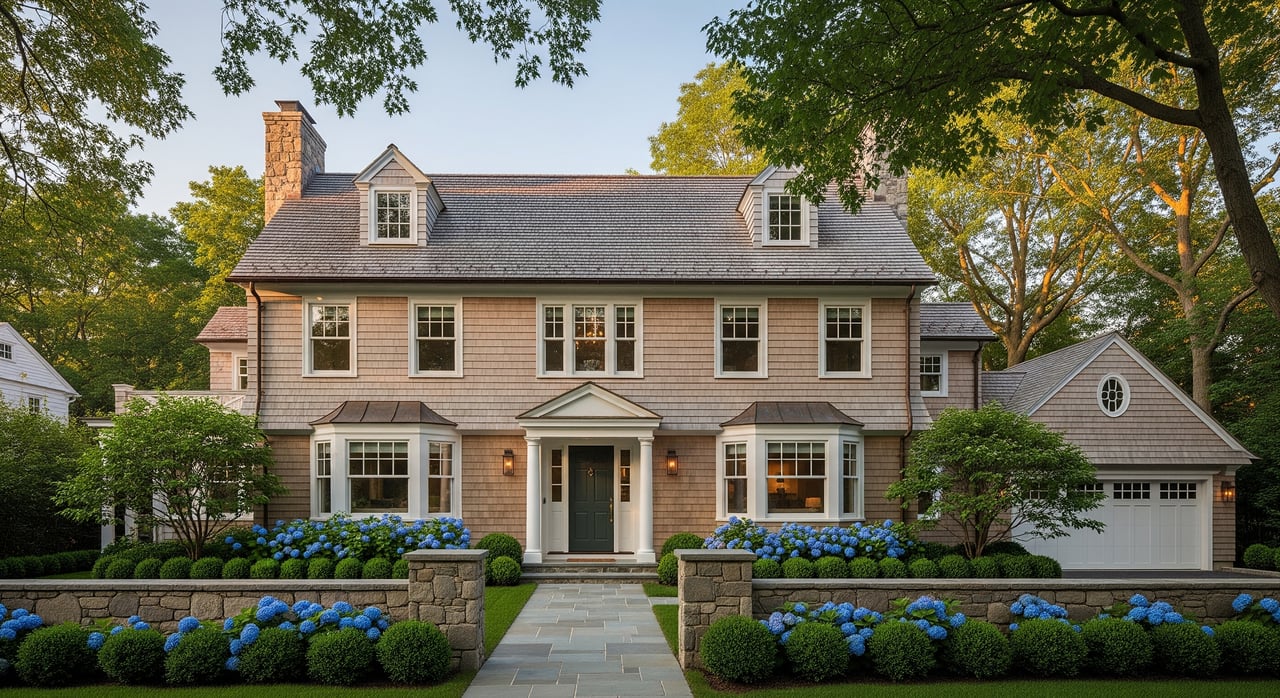
Thinking about buying in Central Greenwich but not sure where to start? You are not alone. This downtown market is prized for its walkability and commute, yet it can feel fast, competitive, and nuanced by block. In this guide, you will learn what drives pricing, inventory, and days on market, how condos, townhomes, and single-family homes compare, and the lifestyle and commute perks that set Central Greenwich apart. Let’s dive in.
Central Greenwich at a glance
Central Greenwich centers on the village around Greenwich Avenue, the Greenwich station on the Metro-North New Haven Line, and nearby streets that connect to parks and the waterfront. Exact boundaries vary by data provider, so it helps to cross-check MLS neighborhoods with the Town of Greenwich GIS maps for clarity. You can review neighborhood layers and school overlays on the town’s GIS maps.
Greenwich is one of Connecticut’s highest-income towns and draws a wide range of buyers, including commuters to New York City and Stamford, regional finance and healthcare professionals, and some second-home purchasers. For broad demographic context, explore the U.S. Census American Community Survey.
The market itself is high price and low inventory compared with many Fairfield County towns. Entry points often begin with condos and townhomes, while single-family homes dominate value at the upper tiers. After the 2020 to 2021 peak, higher mortgage rates in 2023 to 2024 cooled the pace, but well-priced homes still move quickly in the core micro-neighborhoods near the station and Greenwich Avenue.
What drives price, inventory, and DOM
Demand drivers
- Commute access: The Greenwich Metro-North station offers frequent service to Grand Central Terminal and Stamford. Express and limited-stop trains increase appeal for weekday commuters. Check current options on the Metro-North schedules.
- Schools: Greenwich Public Schools are a major consideration for many buyers. School assignments can influence neighborhood choices within town. Review boundaries at Greenwich Public Schools.
- Income and buyer profile: Higher household incomes and wealth concentration support demand for premium features, from historic character to waterfront access and a walkable, village lifestyle.
- Lifestyle amenities: Greenwich Avenue shopping and dining, nearby parks, and waterfront access help Central Greenwich stand out when you compare towns across Fairfield County.
Supply constraints
- Limited land: Infill sites are scarce downtown and preservation priorities limit the pace of new single-family development.
- Zoning: Large single-family zoning in many areas constrains multifamily expansion. For rules and updates, see Town of Greenwich Planning and Zoning.
- Waterfront and environmental limits: Wetlands, coastal flood plains, and resiliency considerations reduce development options on certain parcels.
Macro and seasonal factors
- Mortgage rates: Lending conditions influence affordability and buyer pool size. Higher rates often lengthen days on market and can temper price growth.
- Seasonality: Listings and buyer activity typically peak in spring and early summer. Inventory and DOM move with the calendar.
- Economic cycles: Employment trends and equity markets can shift luxury dynamics more than the broader market.
How this shows up when you shop
- High demand and tight supply tend to produce stronger list prices, lower active inventory, and faster sales for well-prepared, well-priced listings.
- When rates rise, condos and lower-priced single-family homes may see larger DOM increases, while the luxury segment often has wider negotiation windows.
- Micro-markets matter. Homes within a short walk of the Greenwich station and Greenwich Avenue often trade at a premium and move faster than properties farther out.
Housing options and tradeoffs
Single-family homes
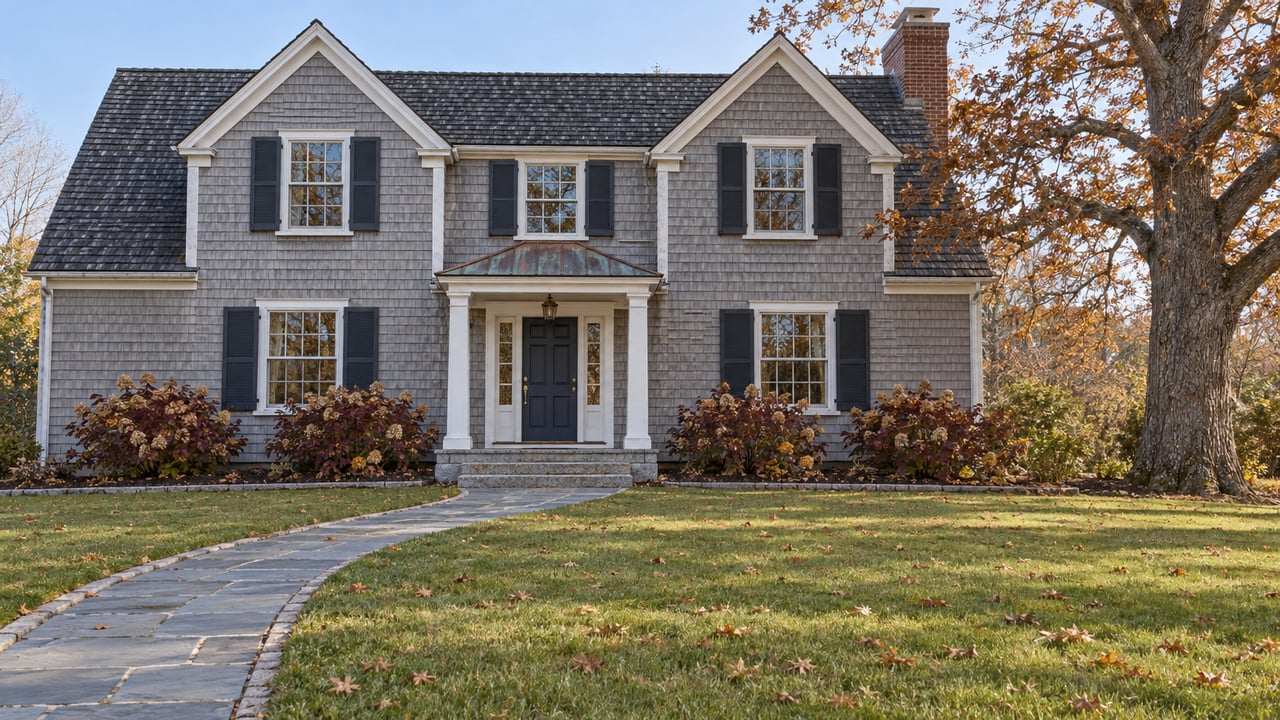
You will find historic Colonials, Colonial Revival and shingle-style homes, renovated period properties, and newer high-end rebuilds. Lots are often smaller than in outer neighborhoods, which enhances walkability but limits expansion. Consider property taxes, maintenance, and any historic or zoning restrictions that affect renovations. The Town’s Planning and Zoning page is a good starting point for due diligence.
Townhomes
Townhomes offer multi-level living with lower maintenance than many single-family homes and convenient access to downtown. They can be newer infill builds or conversions of older structures. Review HOA fees, reserve funding, rules, and parking arrangements, and compare the monthly all-in cost with similarly priced condos and smaller single-family homes.
Condominiums
Condos are the most common entry point for new buyers who want walk-to-train and downtown convenience. Buildings range from post-war mid-rises to boutique newer developments, some near the waterfront. Look closely at fee coverage, special assessments, board governance, financing rules, and any rental restrictions if you want long-term flexibility.
New construction vs resale
Central Greenwich offers limited new construction, often at luxury price points or as small condo projects. Resales dominate the market. In practice, condition, updates, and presentation drive both time to contract and final price. A well-presented, move-in-ready home near the train tends to outperform the broader market.
Pricing tiers
Instead of fixating on a single median price that changes over time, think in tiers:
- Entry level: Condos and some townhomes are usually the most affordable path into Central Greenwich.
- Mid-tier: Larger townhomes and smaller single-family homes. Supply is tighter, and competition can be sharper.
- Luxury: Upper-end single-family and waterfront properties. Fewer listings, longer DOM variability, and broader negotiation bands.
Commute and lifestyle
Getting to work
Central Greenwich offers one of Fairfield County’s best rail access points. The Metro-North New Haven Line connects you to Stamford and Grand Central Terminal, with express and local options. For current timing ranges, review the Metro-North schedules and plan door-to-door, including parking or walking time. Driving options include I-95 along the coast and the Merritt Parkway inland; rush-hour travel can vary. For regional traffic and commute context, see the Connecticut DOT.
Everyday lifestyle
You can live a true village lifestyle in Central Greenwich. Greenwich Avenue anchors retail, dining, cafes, and cultural stops. Roger Sherman Baldwin Park and the waterfront sit just south of the avenue, and a network of parks, beaches, and clubs round out recreation. Many buyers compare this mix of walkability and shoreline access to other Fairfield County towns when weighing commute tradeoffs and long-term quality of life.
Practical checks
- Flood risk: Some parcels sit in FEMA flood zones, especially near the shore. Always review the FEMA Flood Map Service Center and consider a survey and elevation certificate if relevant.
- Taxes: Greenwich’s assessed values and levies factor into the total cost of ownership. Visit the Town of Greenwich Assessor for mill rate information and examples.
- Parking and logistics: Station-area parking may require permits or paid lots. Confirm whether a property includes deeded parking or on-site spaces.
How to use data in your search
Good data removes guesswork. If you like visuals, three to four simple charts make this market much clearer.
What to track
- Rolling 12 or 24 months: Median sale price, active inventory, and median days on market. This shows price direction, supply, and speed.
- By property type: Share of sales for condos, townhomes, and single-family homes. This explains where entry-level options actually sit.
- Price bands: Number of sales by price range. This frames what is realistic for your budget today.
- Commute ranges: Typical ranges for express vs local trains, plus driving windows to key job centers. Use the Metro-North schedules and Connecticut DOT sources for updates.
How to present it
- Use rolling 12-month metrics or 3-month moving averages to smooth seasonal swings.
- Label the date range clearly and state your data source. Smart MLS is the most authoritative local source. If you add school or neighborhood overlays, match to the Town’s GIS maps and confirm boundaries with the district at Greenwich Public Schools.
- Note micro-market caveats. Properties within walking distance of the Greenwich station often trade at a premium and move faster.
First steps for new buyers
- Define your commuting needs and test them. Time a morning train run using the Metro-North schedules and a peak-hour drive with Connecticut DOT updates.
- Choose your first pass on property type: condo, townhome, or single-family. Compare monthly all-in costs, including taxes and fees.
- Walk the micro-neighborhoods at different times of day to understand noise, parking, and traffic patterns.
- For any property near the shore or low-lying areas, check the FEMA Flood Map Service Center and ask about elevation and insurance.
- Review tax implications with the Town of Greenwich Assessor and budget for utilities, maintenance, and reserves.
- Keep your search data-driven. Track inventory and DOM for your property type and price band so you can move decisively when the right home appears.
Ready to see how the numbers meet the neighborhood feel in Central Greenwich? If you want a clear, data-backed plan and access to well-presented options on and off market, reach out to Noah Finz. Let’s connect.
FAQs
What is “Central Greenwich” and how is it defined?
- The term generally refers to the downtown area around Greenwich Avenue and the Metro-North station, with boundaries that vary by data source; cross-check MLS neighborhoods with the Town’s GIS maps when evaluating listings.
Where can I find lower-cost options in Central Greenwich?
- Condos and townhomes near downtown or slightly inland are common entry points, with inventory and pricing best tracked through recent MLS activity for your target property type.
How long is the commute from Central Greenwich to Manhattan?
- It depends on express vs local trains and your door-to-door plan; review current options on the Metro-North schedules and include walking or parking time in your estimate.
Are property taxes especially high in Central Greenwich?
- Taxes reflect assessed values and the local mill rate; see the Town of Greenwich Assessor for current context and examples.
Is flood risk a concern for Central Greenwich homes?
- Some parcels lie in FEMA flood zones, especially near the waterfront; check the FEMA Flood Map Service Center and request a survey and elevation certificate when relevant.
Which inspections matter most for condos and houses here?
- Plan for a standard home inspection, termite and pest where applicable, lead paint for older homes, and full HOA document review for condos or townhomes; add specialized reports for waterfront or engineered systems if needed.
How negotiable are asking prices right now in Central Greenwich?
- Negotiability varies by micro-market, listing history, and interest-rate environment; watch recent sale-to-list ratios and median DOM for your segment to gauge leverage.