What if your daily coffee run shared a backdrop with American Impressionist history? In Cos Cob, you feel that blend of culture and comfort from the harbor to the village green. If you are weighing a move, you want a neighborhood that is inspiring and practical. This guide walks you through Cos Cob’s artistic roots and what everyday life looks like here so you can decide if it fits your routine. Let’s dive in.
Why Cos Cob blends art and daily life
Cos Cob is a Greenwich hamlet shaped by two forces that still show up in daily routines: a creative legacy and a waterfront landscape. You see it on Strickland Road, where historic homes sit near the harbor, and in the local parks and trails families use every week. It feels village-scaled and neighborly, yet you can be on the train to New York in minutes. That mix is why so many move-up buyers put Cos Cob on their shortlist.
A quick tour of the Cos Cob Art Colony
Cos Cob became nationally known as a place where artists lived, taught and painted outdoors in the late 1800s and early 1900s. The movement centered on a small boardinghouse that welcomed artists from New York and beyond.
Bush-Holley House, from saltbox to studio
The 18th-century Bush-Holley House is the heart of the story. Built around 1730 and later run as a boardinghouse, it became a working hub for painters and students in the 1890s to 1920s. Today the Greenwich Historical Society interprets the site, and the house is a National Historic Landmark that anchors the historic fabric on Strickland Road. You can learn more about the property and its role through the Historical Society’s overview of the Bush-Holley House.
Why artists chose Cos Cob
American Impressionists were drawn to Cos Cob for plein-air painting along the Mianus River and harbor, easy train access to New York, and the camaraderie of the colony. Notable names associated with the group include John Henry Twachtman, J. Alden Weir, Childe Hassam, Theodore Robinson and Elmer Livingston MacRae. For a deeper look at the colony’s influence, start with the Greenwich Historical Society’s summary of the Cos Cob Art Colony.
Streets, styles and landmarks
Walk a few blocks and you will see several eras of architecture. That layered look is part of the hamlet’s charm.
Strickland Road historic setting
The area around Strickland Road includes the Bush-Holley property and a small cluster of period homes. You will notice everything from simple colonial and saltbox forms to Late Victorian and early 20th-century revival styles. It is a compact, photogenic street that tells the story of Cos Cob’s evolution.
Waterfront and working roots
Cos Cob Harbor and the Mianus River shaped the community’s early shipping and milling life and now frame its marinas and park views. Families often pair a grocery stop with a quick detour to watch boats in the harbor. The neighborhood’s industrial layer shows up in places like the former Cos Cob Power Station, a reminder of the rail era that helped connect the hamlet to the region.
Parks and outdoor time
Everyday outdoor life is a clear strength here. Town-managed spaces in and near Cos Cob include Cos Cob Park with waterfront paths and a playground, the Loughlin Avenue playground for quick play breaks, and the large Mianus River Park for longer woodland hikes. The Montgomery Pinetum and the Greenwich Botanical Center host seasonal programs and field trips that make it easy to get kids outside. For locations and details, check the Town’s parks and playground facilities and the Greenwich Botanical Center’s education page.
Village shops and easy dining
Cos Cob’s hub around East Putnam Avenue and Strickland Road is compact and useful. You will find specialty markets and casual spots that make weeknights simple. Local favorites often mentioned in neighborhood guides include Fjord Fish Market, Greenwich Cheese Company, Fleishers Craft Butchery, Pastaficio and several cafes and pubs. For a quick neighborhood snapshot of the village feel, see this Cos Cob overview.
Schools, library and programs
Cos Cob School serves neighborhood K to 5 students within the Greenwich Public Schools system, with students continuing to district middle schools and then Greenwich High School. Families often point to Cos Cob School’s Innovation Space and Learning Commons as examples of hands-on, project-based spaces. Visit the district’s site for school information and enrollment details at Cos Cob School. The Cos Cob branch of Greenwich Library and the Greenwich Historical Society campus add year-round programs that enrich daily life, from kids’ story times to community exhibitions.
Getting around and commute tips
Cos Cob has its own Metro-North stop on the New Haven Line. Travel time to Grand Central varies by train and time of day, so it is smart to test the exact trains you would take. Typical ride windows reported by timetable sources often range around 50 to 70 minutes depending on local or express patterns. To plan your commute, start with Metro-North maps and schedules and the MTA’s TrainTime app.
Homes and price snapshot
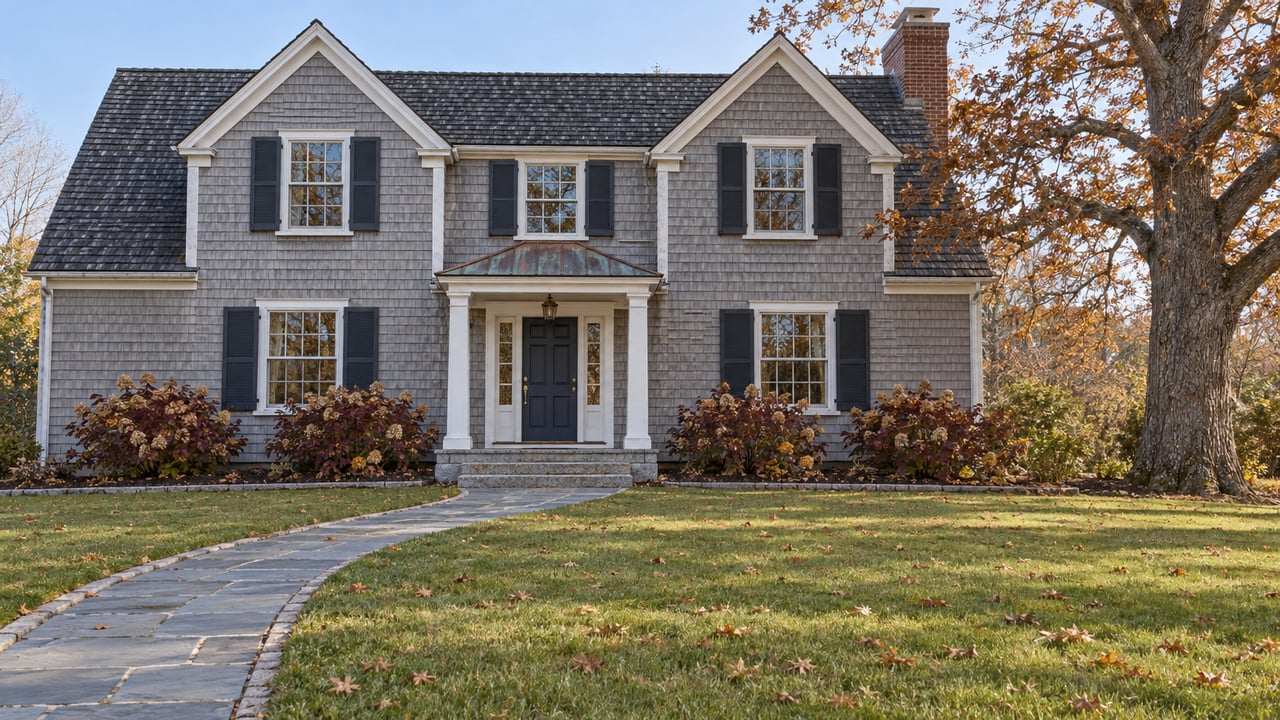
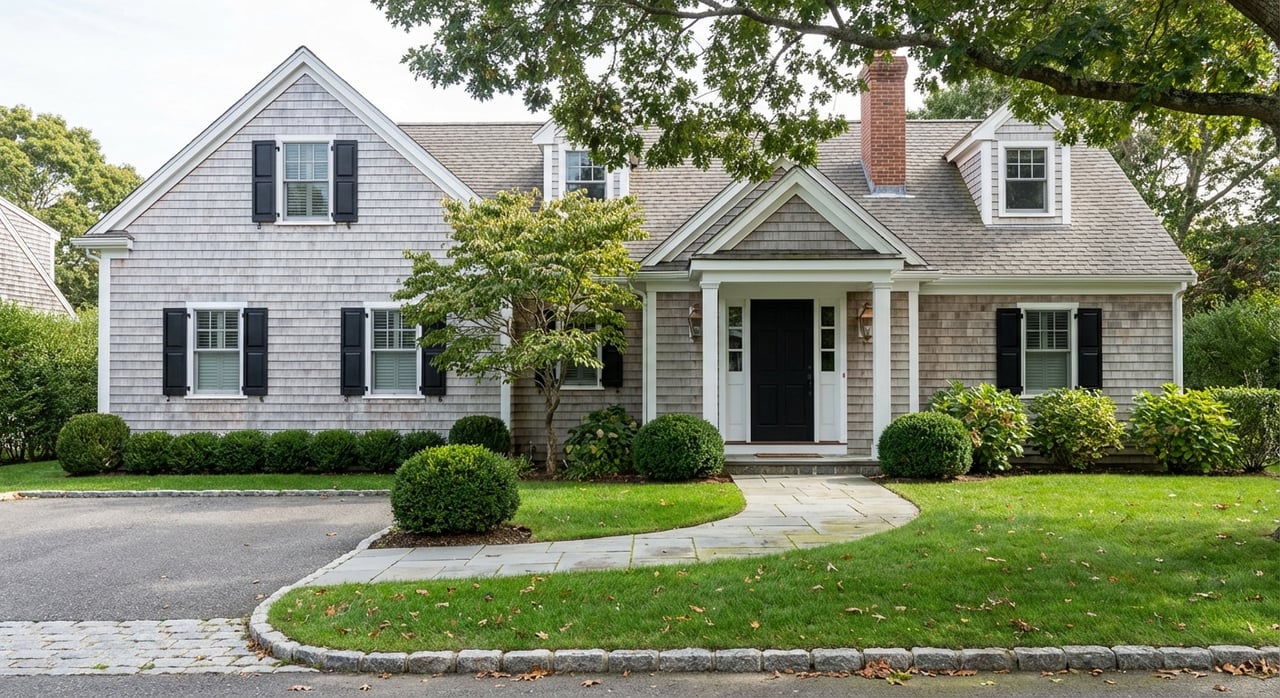
Housing in Cos Cob spans modest colonial and Cape-style homes near the village, garden-style condominiums and newer townhouses close to the train, and larger waterfront properties along the Mianus River. Inventory changes seasonally, and prices shift with listings and interest rates. A recent neighborhood snapshot placed the 06807 median sale price near about $1.2M (Jan 2026), with recent solds ranging from the low $1M level to multimillion-dollar waterfronts. Because pricing is time sensitive, verify current figures near your search window. For context, see an example market source on recent Cos Cob activity.
Quick buyer checklist
Before you make an offer, use this 3-step checklist:
- Commute test ride and parking. Take your exact morning and evening trains, and confirm station parking or permit options. Start with Metro-North maps and schedules.
- Confirm school assignment. Boundaries and program details can vary by address. Review the district’s information at Cos Cob School.
- Check flood zone and insurance. If you are considering riverfront or low-lying properties, review flood mapping and talk with a qualified insurance professional. Many listings disclose flood risk, but verify with municipal data before you buy.
Is Cos Cob right for you?
If you want a neighborhood where history is part of the everyday view, parks and trails are close by, and the village core still feels like a true hub, Cos Cob delivers. You can tour the Bush-Holley House in the morning, grab lunch by the harbor, and be at a soccer practice or library program by late afternoon. That blend of culture and convenience is why so many families find their rhythm here.
If Cos Cob is on your list, reach out for a local perspective, on-the-ground video, and access to both listed and off-market opportunities. Connect with Noah Finz to talk timing, budget and the right streets for your lifestyle.
FAQs
What is the Cos Cob Art Colony and can you visit the Bush-Holley House?
- The Cos Cob Art Colony was a late 19th to early 20th century hub for American Impressionists centered at the Bush-Holley House, a National Historic Landmark you can learn about through the Greenwich Historical Society’s pages on the Cos Cob Art Colony and the Bush-Holley House.
How long is the train ride from Cos Cob to Grand Central?
- It depends on the train and time of day, with typical windows often around 50 to 70 minutes; check exact options and plan test rides using Metro-North maps and schedules.
Which parks and outdoor spaces are near Cos Cob homes?
- Nearby options include Cos Cob Park, Loughlin Avenue playground, the Montgomery Pinetum and Greenwich Botanical Center, and the larger Mianus River Park; see the Town’s parks and playground facilities and the Botanical Center’s programs.
Which public schools serve Cos Cob addresses?
- Cos Cob School serves K to 5, with students then attending district middle schools and Greenwich High School; always confirm your specific assignment and programs with Cos Cob School.
What do homes cost in Cos Cob today?
- Prices change with listings, but a recent snapshot placed the 06807 median sale price near about $1.2M (Jan 2026), with a wide range from entry-level single-family to multimillion-dollar waterfronts; see an example market source for context on recent Cos Cob activity.