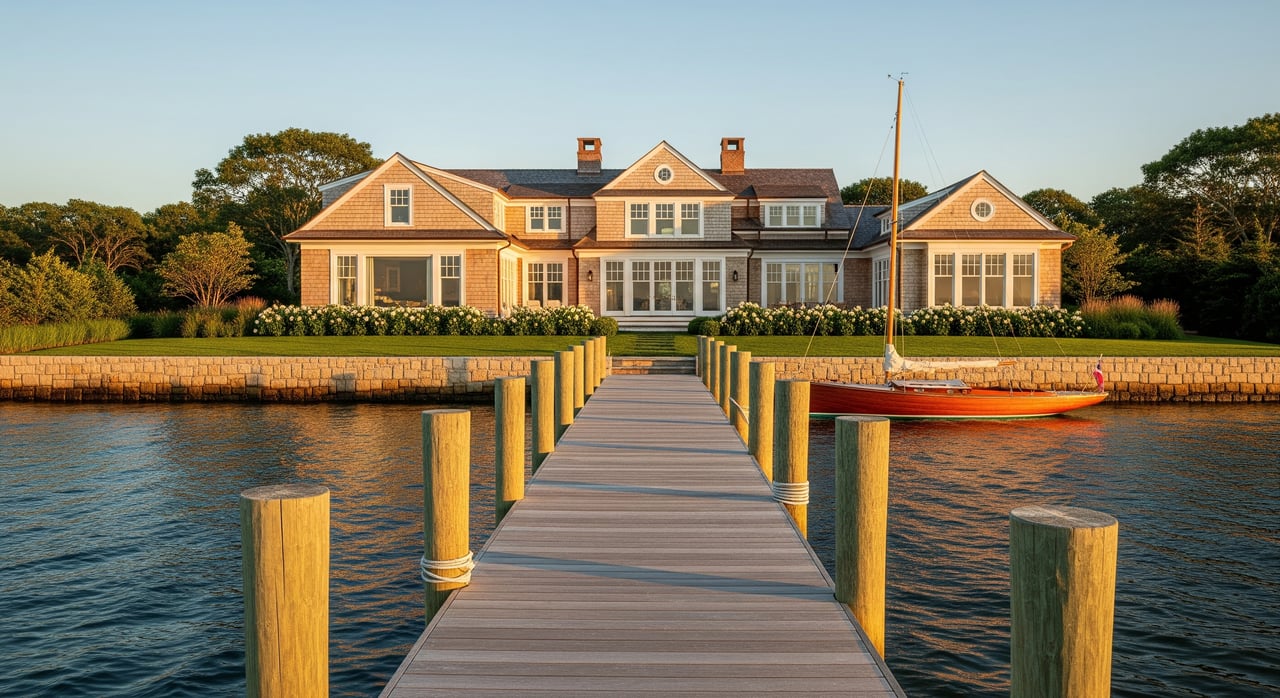
If you’re dreaming of a coastal home in Greenwich, you’ll likely narrow your search to Old Greenwich and Riverside. Both put you close to Long Island Sound and the train to Manhattan, but the day-to-day feel on the water is different. You want clarity on beaches, boating, village life, and what it actually takes to own on the shoreline. This guide breaks down the tradeoffs so you can focus your shortlist with confidence. Let’s dive in.
Two coastal personalities
Old Greenwich at a glance
Old Greenwich feels like a classic coastal village. You’ll find a small harbor, sandy beaches, and a large town park at the tip of the peninsula often called Greenwich Point. The village center offers a compact stretch of dining and retail close to the water. In summer, the area gets livelier, with more foot traffic and activity around the beaches and parkland.
Riverside at a glance
Riverside’s shoreline is quieter and more residential. You’ll find pocket beaches, river inlets, and stretches of private or association-managed shoreline. The village center is smaller and low-key, and residents often head to nearby areas for broader dining or shopping. The result is a calmer, neighborhood feel along the water for most of the year.
Shoreline access and beach experience
Old Greenwich is known for larger public-access areas and formal town parkland by the Sound. You can expect sandy beaches, picnic areas, walking paths, and established amenities that draw residents town-wide. These areas are busier on warm weekends, which many buyers view as part of the coastal energy. If daily beach walks matter to you, the proximity to this larger park system is a clear advantage.
Riverside offers shoreline access too, but public entry points are fewer and more dispersed. You’ll see a mix of sandy pockets, tidal wetlands nearby, and residential bulkheads along certain stretches. The feel is more private and less of a destination. If you prefer a quieter waterfront with less seasonal buzz, this is often the better match.
Boating, marinas, and marine logistics
Both neighborhoods provide access to Long Island Sound, but your boating experience comes down to slip or mooring availability, harbor protection, and on-shore support.
Old Greenwich for boaters
Old Greenwich Harbor offers reasonably protected water for small to mid-size boats. Being near a busy village and a major town park makes it easy to transition from a day on the water to dinner or errands. Demand is high for slips and moorings nearby. If keeping a boat close is a must, plan to contact the Greenwich harbormaster and private marina operators early about waitlists, fees, and seasonal logistics. It also helps to identify where you’ll handle service, winterization, and haul-out before you buy.
Riverside for boaters
Riverside features smaller marinas, river inlets, and private docks. Protection and depth vary by location, which matters for keel depth and tidal timing. The quieter scene is a draw for buyers who value less congestion on the water and along the docks. Some properties have private or association docks, so you should review deed restrictions, easements, and rules that govern access, maintenance, and use. Always verify the permit status of any dock or seawall through town records.
Boating due diligence checklist
- Confirm slip or mooring options with the harbormaster and nearby marinas, including waitlists and seasonal policies.
- Review NOAA charts and local depth advisories if you plan to run a deep-draft vessel.
- Ask about no-wake zones and local restrictions enforced by the town or state agencies.
- Identify the nearest full-service yard for maintenance and winter storage.
- Verify permits for any existing dock, bulkhead, or seawall tied to the property.
Village lifestyle and daily rhythm
Old Greenwich village feel
Old Greenwich delivers a stronger “coastal village” vibe near the water. Restaurants, coffee shops, and small boutiques cluster close to the shoreline, and the scene picks up in warmer months. That seasonal uptick creates energy and convenience for daily routines. If you like walking to coffee after a beach morning or grabbing dinner without a car, you’ll appreciate the layout here.
Riverside village feel
Riverside’s center is smaller and quieter. You’ll find essentials, but most residents look to downtown Greenwich or nearby towns for a wider range of dining and nightlife. The tradeoff is a more residential, low-traffic rhythm close to the water. If peace, privacy, and a neighborhood feel are high on your list, Riverside checks those boxes.
Transit and commuting
Both Old Greenwich and Riverside have Metro-North stations on the New Haven Line with direct service to Grand Central. Express and local schedules change, so check current timetables for peak-hour options. Many homes near each station are walkable, though the distance from waterfront streets varies by address and lot placement. Road access to I-95 and the Merritt Parkway is straightforward, but station parking rules and patterns differ by location, so confirm those details as part of your screening.
Noise, privacy, and seasonality
Old Greenwich’s larger park and beaches attract more visitors during the late spring and summer. Expect busier weekends, more programmed events, and a brighter nighttime scene around the harbor. For some buyers, that energy is a feature. Riverside typically stays calmer year-round, with fewer crowds and less commercial activity by the shore. If you prioritize privacy and a lower profile, start your search there.
Practical waterfront considerations
Buying on the shoreline involves rules, maintenance, and insurance that can shape your budget and timeline.
Flooding, storm surge, and insurance
Waterfront parcels may fall within FEMA flood zones, which can trigger mandatory flood insurance and influence building code requirements. Request an elevation certificate and ask about any past flood claims or mitigation work. Insurance costs change over time, so it is smart to consult a coastal insurance specialist for an estimate tied to the property and structure.
Shoreline structures and permitting
Docks, bulkheads, and seawalls are permitted structures that require upkeep. Confirm current permits, any enforcement actions, and who pays for maintenance. Shared or association docks should come with documents explaining access, cost sharing, and usage rules. This clarity matters for both ownership and resale.
Environmental rules
Coastal lots can be subject to additional conservation and erosion-control regulations. There may be limits on new construction footprints, shoreline stabilization methods, or tree removal. Tidal wetlands, shellfish beds, and nesting seasons can restrict certain activities. Knowing these rules early helps prevent surprises during inspections or planning.
Utilities and broadband
Verify whether the property is on municipal sewer or a private septic system. Septic capacity can limit expansion plans, so factor that into your renovation vision. For hybrid or remote work, confirm broadband options and speeds at the address.
Resale and marketability
Waterfront value is driven by exposure and use. Open-water views typically command premiums over marsh views, and private dock access is a major differentiator. Proximity to public beach access and village amenities can also lift demand. At the same time, insurance, maintenance, and coastal regulations narrow the buyer pool for some properties. Set price expectations with these realities in mind.
Shortlisting checklist
Use this quick list to organize your early screening:
- Measure walking time to the nearest public beach or park, and to the village dining and retail you’ll use weekly.
- Confirm any dock, bulkhead, mooring rights, or HOA shoreline rules tied to the property, with permits on file.
- Pull the FEMA flood zone designation and the elevation certificate; ask for any recent flood damage history.
- Check slip or mooring availability and typical wait times with nearby marinas; identify your go-to boatyard.
- Verify commute options to Grand Central at peak hours from the nearest station.
- Confirm school assignment by address with Greenwich Public Schools.
- Review tax assessment and recent comparable waterfront sales with your agent.
- Ask about any municipal shoreline projects that could affect navigation, views, or beach conditions.
Old Greenwich vs. Riverside: how to choose
If you want an active coastal village with easy beach access and a stronger social scene by the water, Old Greenwich is a natural fit. You’ll trade some privacy and seasonal quiet for convenience and energy. If you want a lower-profile shoreline, smaller marinas or private docks, and a calmer, residential rhythm, Riverside likely fits better. Both deliver access to the Sound and the train, so map your daily life to specific addresses. Think through school runs, dog walks, weekend beach time, and where you’ll keep your boat.
How we help you get it right
Choosing the right shoreline home takes local context and careful due diligence. With a broadcast storytelling background and deep Greenwich roots, our approach pairs on-the-ground expertise with high-quality visuals and clear guidance. We help you:
- Shortlist homes that match your shoreline priorities, from beach walkability to docking needs.
- Surface off-market or upcoming listings through local relationships.
- Coordinate the right checks early, including flood zone data, dock permits, and marina options.
- Present your offer with confidence by framing the lifestyle and facts that matter.
When you are ready to compare properties on the ground, we will create a clear side-by-side picture of how each address lives throughout the week and across the seasons.
If you are exploring a move to the water in Old Greenwich or Riverside, reach out to discuss your priorities and timing. You will get straightforward advice, local knowledge, and a plan tailored to your lifestyle. Connect with Noah Finz to start your waterfront search.
FAQs
What is the key difference between Old Greenwich and Riverside for waterfront buyers?
- Old Greenwich offers larger public beaches and a lively village by the shore, while Riverside’s waterfront is quieter, with fewer public access points and a more residential feel.
How easy is it to get a slip or mooring in Old Greenwich or Riverside?
- Availability varies and many options have waitlists, so contact the Greenwich harbormaster and nearby marinas early to confirm current policies, timing, and costs.
Are Greenwich beaches public, and what should I know about permits?
- Town beaches and parks are public for residents with seasonal rules and permits; confirm current access, parking, guest policies, and hours with Town of Greenwich Parks & Recreation.
How does the commute to Manhattan compare between the two neighborhoods?
- Both have Metro-North stations with direct service to Grand Central; check current New Haven Line timetables for peak express options and confirm station parking details.
What should I know about flood insurance for shoreline homes in Greenwich?
- Many waterfront properties are in FEMA flood zones and may require flood insurance; request an elevation certificate and consult an insurance specialist for property-specific estimates.
Can I add or modify a dock at a Riverside or Old Greenwich property?
- Any dock or seawall work requires permits and may be subject to local and state environmental rules, so review town records and consult officials before planning changes.