If you own a coastal home in Old Greenwich, picking the right listing date can shape everything from early showing activity to the strength of your final offers. You want to enter the market when buyers are paying attention, your home looks its best, and your marketing is fully ready. That is especially true in a premium shoreline market, where first impressions carry real weight. Let’s dive in.
Why timing matters in Old Greenwich
Old Greenwich remains a high-value and active market. In May 2026, Realtor.com reported a median listing price of $2,995,000, 23 active listings, and a median 24 days on market. That tells you homes can still move quickly, but it also suggests that timing and presentation matter if you want to stand out.
The broader Greenwich market reinforces that point. The Greenwich Association of REALTORS® reported a 2025 single-family median sale price of $3.15 million, while average days on market rose to 70 days and new single-family listings fell 3.84% to 651. In other words, limited supply alone does not guarantee a smooth sale.
For sellers in Old Greenwich, the takeaway is simple. A strong market helps, but it does not replace a smart launch plan. The right moment to list is usually the point where demand, seasonality, and preparation line up.
Spring often offers the best window
Nationally, Realtor.com identified the week of April 12 through April 18 as the strongest listing window in 2026. That does not mean every home should list that exact week, but it does show why spring is often the default season for sellers. Buyers are active, homes generally show well, and families planning a move are often focused on the market.
Local Greenwich data also suggest that earlier spring may be better than waiting too long. In April 2026, Greenwich had 99 active single-family listings and a 39-day average days on market. In May 2026, active inventory rose to 114 and average days on market increased to 69.
That shift matters if you are trying to capture urgency. As more listings arrive later in the season, buyers often have more options and homes may take longer to sell. For an Old Greenwich coastal home, an earlier spring debut can help you meet the market before inventory builds.
Coastal homes need visual timing too
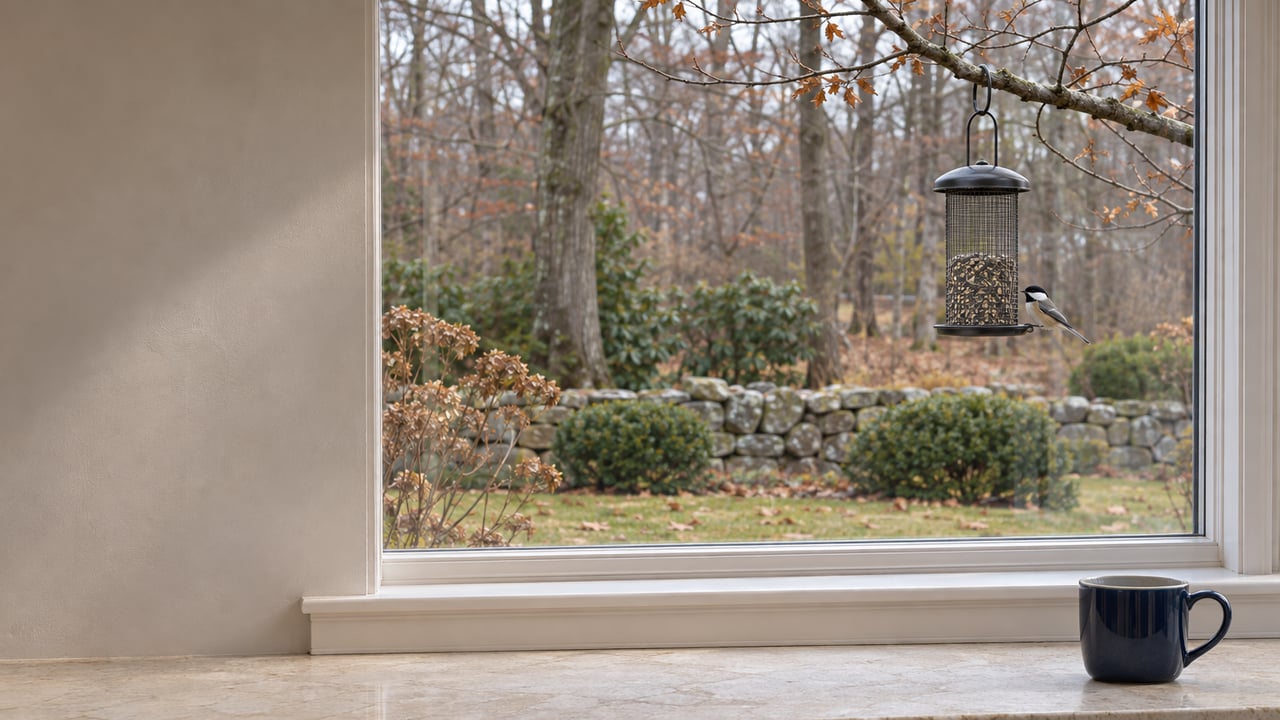
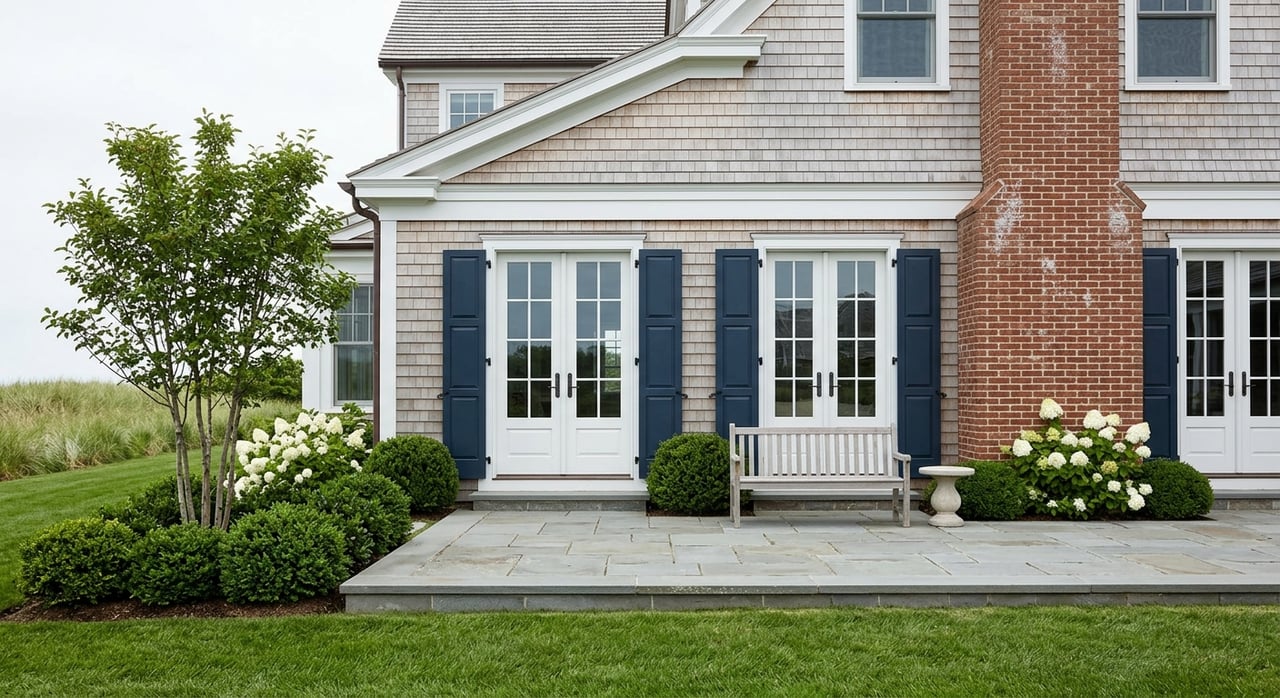
For shoreline and near-water properties, timing is not just about buyer demand. It is also about when your home can be presented at its absolute best. Landscaping, outdoor entertaining areas, patios, and water-facing spaces tend to show more effectively in late spring and early summer than they do in winter or very early spring.
That visual edge matters because buyers increasingly begin their search online. According to NAR’s 2025 staging research, decluttering, cleaning, curb appeal, photos, videos, and physical staging are among the most important listing elements. The same research found that 83% of buyers’ agents said staging made it easier for buyers to visualize a property as a future home.
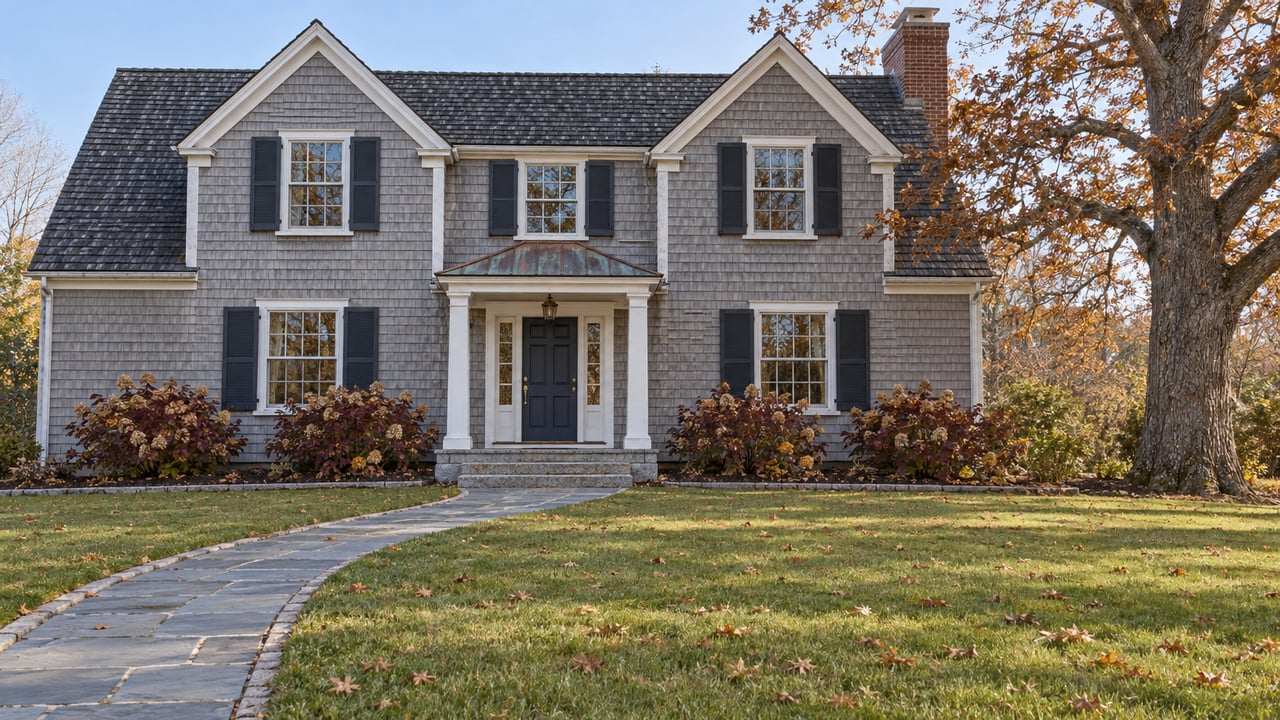
For a coastal home, that means your launch should be media-first, not just date-first. If the lawn is not ready, the outdoor furniture is not styled, or your video and photography are incomplete, listing too early can undercut your strongest selling features.
Why waiting too long can add risk
There is a difference between waiting for the right look and waiting too long. NOAA states that Atlantic hurricane season runs from June 1 through November 30. For coastal sellers, that is a practical reminder that late summer and fall can bring more uncertainty around weather, scheduling, and how your property is experienced during showings.
That does not mean homes cannot sell well in those months. It means that if you have the flexibility to launch earlier, you may benefit from a cleaner seasonal story and fewer weather-related complications. Earlier timing can also help you take advantage of the period when your property feels fresh to the market.
Buyer behavior supports a polished launch
Today’s likely buyers for premium Old Greenwich homes are often financially established and highly selective. NAR’s 2025 Profile of Home Buyers and Sellers found that first-time buyers made up just 21% of the market, while all-cash purchases averaged 26%. The typical repeat buyer down payment was 23%.
Realtor.com also found that roughly one-third of homes sold in the first half of 2025 were purchased in cash, with cash buying especially common at the high end. That matters in a shoreline market, because cash buyers can often close faster and avoid financing contingencies. They are also more likely to compare homes closely and move quickly on the one that feels right.
For you as a seller, that means presentation and execution are critical. A well-priced home with strong visuals, clear positioning, and a polished rollout is more likely to connect with serious buyers who are ready to act.
The first week matters most
Many sellers think the listing date is the beginning of the process. In reality, it is the moment when all of your preparation becomes visible. Your first days on market are when your home is freshest, your audience is largest, and buyers are deciding whether your property deserves immediate attention.
That is why rushing to market can be costly. NAR’s staging research found that 31% of sellers’ agents reported slight decreases in time on market when a home was staged, and 47% said video was much more important or more important in marketing a listing. If your home reaches the public before those assets are ready, you may lose momentum you cannot fully recreate later.
For a premium coastal listing, the best launch is usually the one that feels complete on day one. That includes the visuals, the staging, the showing plan, and the pricing strategy.
A smart prep timeline for Old Greenwich
For many Old Greenwich coastal homes, a practical planning window is about six to eight weeks before your target list date. That gives you time to prepare the property, organize marketing, and avoid last-minute decisions. It also fits with Realtor.com research showing that most sellers take one month or less to get ready, while recognizing that waterfront and near-water homes often need extra attention.
Here is a simple planning sequence to consider.
Six to eight weeks before listing
Start with the basics that shape buyer perception right away:
- Declutter and depersonalize
- Complete minor repairs
- Refresh paint where needed
- Improve landscaping
- Handle exterior cleaning
NAR’s staging research specifically highlights decluttering, cleaning, and curb appeal as common and important seller improvements. For a coastal property, this stage may also include attention to patios, walkways, outdoor seating, and other exterior details that influence the overall impression.
Three to four weeks before listing
This is the time to focus on presentation and media:
- Stage the home
- Schedule professional photography
- Produce video content
- Capture any drone or setting footage needed
This stage is especially important for Noah Finz’s approach to listing marketing. Because his listing package includes broadcast-quality video production, your home can be introduced with the kind of storytelling that helps remote and local buyers understand not just the layout, but the lifestyle.
One to two weeks before listing
As launch day approaches, focus on the finishing touches:
- Deep clean the home
- Add seasonal plantings if appropriate
- Finalize showing logistics
- Review pricing and market positioning
The goal is simple. When your home goes live, it should feel complete, calm, and ready for attention.
Should you soft launch first?
A short soft-launch or broker-preview period can make sense, but only after your media package is complete. If a property appears before the photos, video, and presentation are fully polished, you risk using up valuable early attention on an incomplete first impression.
For many Old Greenwich coastal sellers, that means resisting the urge to go live the second the house is merely clean. A better approach is to wait until the story of the home is fully ready to tell.
The real perfect moment to list
The perfect moment to list an Old Greenwich coastal home is rarely just a date on the calendar. It is the overlap of market demand, seasonal beauty, and complete preparation. Spring may offer the strongest overall window, but your best result usually comes from hitting that window with a home that is truly market-ready.
In Old Greenwich, where values are high and buyers are discerning, polished execution can make a real difference. If you begin planning early, use the season to your advantage, and treat your launch date as the end of a preparation schedule rather than the start of one, you put yourself in a much stronger position.
When you are ready to map out the right timing for your home, connect with Noah Finz for a thoughtful, high-touch listing strategy built around local knowledge and standout presentation.
FAQs
When is the best time to list a coastal home in Old Greenwich?
- Spring is often the strongest window, and local Greenwich data suggest that earlier spring can be more favorable than listing later as inventory rises.
How far in advance should you prepare an Old Greenwich home for sale?
- A practical timeline is about six to eight weeks before your target list date, especially for coastal homes that need exterior prep, staging, photography, and video.
Why does presentation matter so much for Old Greenwich coastal listings?
- Buyers often start online, and staging, curb appeal, photos, and video all help them picture the home clearly and decide whether to visit.
Should you list before photos and video are finished?
- In most cases, no. A polished first impression is important, and going live before your media package is complete can weaken early momentum.
Are cash buyers common in the high-end Old Greenwich market?
- Cash purchases are relatively common at the high end, and research shows they can help support faster closings and fewer financing-related hurdles.