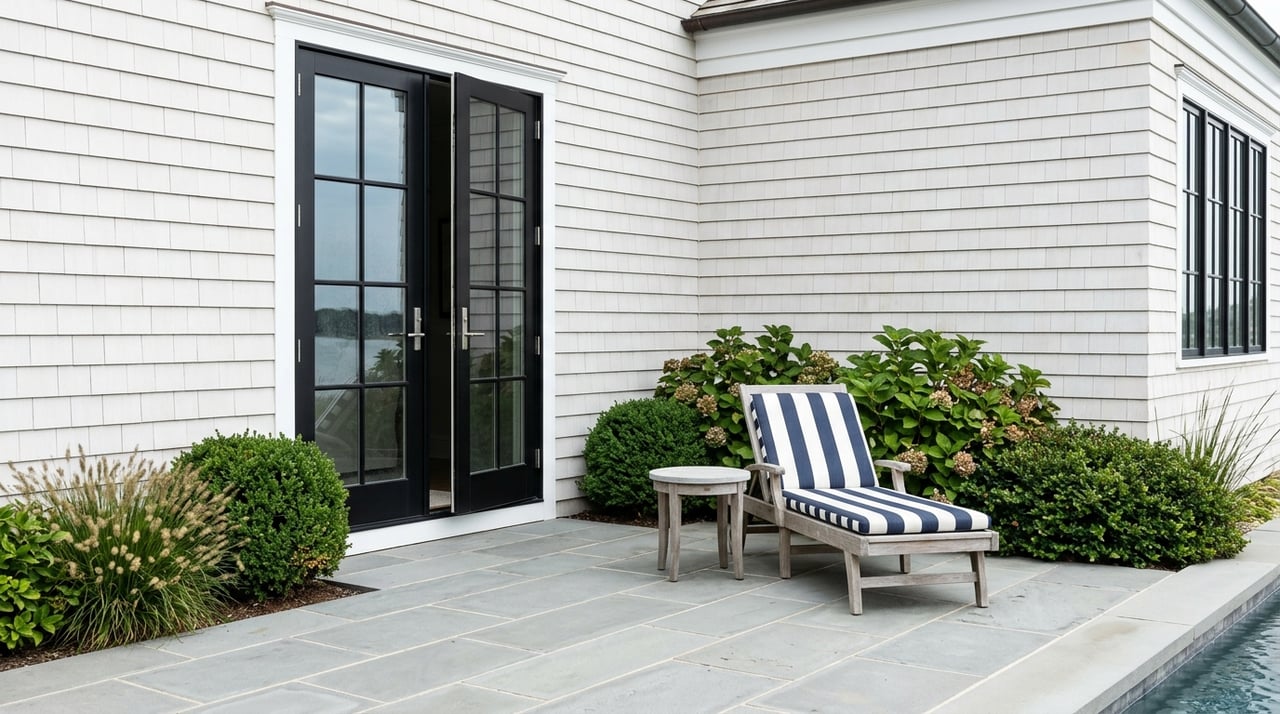
Selling a waterfront home in Riverside is not the same as listing a standard property and hoping the market does the work for you. Buyers at this price point notice details fast, and they often ask sharper questions about permits, flood exposure, shoreline features, and how the home actually lives day to day. If you want to sell confidently, this guide will help you prepare the home, the paperwork, and the presentation before your listing goes live. Let’s dive in.
Why preparation matters in Riverside
Riverside sits within Greenwich’s premium shoreline market, where pricing stands well above Fairfield County overall. Zillow reports a typical home value of $2,360,866 in Riverside, compared with $2,265,962 in Greenwich overall and $674,487 across Fairfield County. In a market like this, strong value does not replace strong preparation.
Greenwich market data also shows that homes can move quickly, with homes going pending in about 17 days. At the same time, there were 130 active listings, 55 new listings, and 48.7% of sales closed over list price as of March 31, 2026. That means your launch matters because buyers may respond quickly, but they still compare presentation, condition, and price carefully.
Start with a seller readiness review
Before photos, video, or pricing strategy, take a close look at the home as a buyer would. Waterfront buyers tend to focus on condition issues that may affect maintenance, comfort, or future planning. A thoughtful pre-list review helps you spot questions before they become deal friction.
Pay special attention to:
- Roof condition
- Moisture intrusion
- Drainage patterns
- Basement performance
- Exterior woodwork
- Deck condition
- Signs of prior shoreline or grading work
If you already know of a repair item, it is usually better to address it early or be prepared to document it clearly. Confidence comes from reducing surprises, not reacting to them once a buyer is emotionally invested and negotiating hard.
Gather permits and property records early
In Greenwich, many common property improvements require permits. The town requires permits for additions or alterations, exterior decks, retaining walls over 3 feet, fences over 7 feet, generators, demolition, and other work that often appears on waterfront properties. If you have improved the home over time, your records matter.
A clean seller file can help appraisers, attorneys, and buyers move with less hesitation. It can also reduce delays when someone asks when a project was completed, whether it was signed off, or how drainage or grading was handled.
Useful records to gather include:
- Prior permit approvals and sign-offs
- Contractor invoices
- Engineering drawings
- Drainage plans
- Maintenance records
- Any documents tied to shoreline protection or site work
Understand wetlands rules before outside cleanup
One of the easiest mistakes a seller can make is trying to “freshen up” the yard right before listing without checking whether the work is regulated. In Greenwich, work in a wetland or watercourse, or within 100 feet of those areas, may require an Inland Wetlands and Watercourses Agency permit. In public drinking water supply watersheds, that regulated distance extends to 150 feet.
The town identifies many activities as regulated, including structures, clearing vegetation, grade changes, curtain drains, septic work, expanded lawns, driveway or hardscape expansion, and fencing. Greenwich also notes that landscaping activity is a frequent source of violations, especially near wetlands. For a Riverside waterfront seller, that means last-minute cleanup should be approached carefully.
If you are thinking about trimming trees, clearing scrubby growth, adding fencing, or changing landscaping near the water, verify the rules first. What looks like simple cleanup to you may be viewed differently by the town.
Prepare flood documents buyers may request
Flood documentation is often central to a waterfront sale in Greenwich. The town states that FEMA flood maps are the only documents that can legally determine whether a property is in a designated flood zone. Greenwich also uses a flood hazard overlay framework designed to ensure buyers are notified when a property is in a flood hazard area.
That makes flood paperwork more than a nice extra. It is often part of how buyers, lenders, and insurers evaluate the property.
The most helpful documents to have ready are:
- The relevant FEMA flood map reference
- Any elevation certificate
- Current flood insurance declarations, if applicable
- Records of elevation, floodproofing, or other mitigation work
FEMA also states that flood insurance is separate from standard homeowners insurance, and that flood damage is not typically covered under a standard homeowners policy. If your property has helpful mitigation history, making that information easy to review can give buyers more clarity.
Document docks, moorings, and shoreline features
For many buyers, waterfront value is about more than the view. Dock access, mooring rights, and shoreline improvements can shape how they see the property and how they compare it to other listings. Those features should be documented carefully and marketed accurately.
Connecticut DEEP regulates activities in tidal wetlands and in tidal, coastal, or navigable waters. It also notes that submerged lands waterward of mean high water are held in trust by the State of Connecticut. If your property includes a dock, shoreline protection, or related coastal work, prior approvals and supporting records are important.
Greenwich’s mooring process is also specific. The town states that waterfront owners may place a mooring within their littoral rights, while riparian moorings require an annual permit, proof of insurance, and periodic inspection. Assigned mooring locations also depend on harbor conditions and vessel size.
For your listing file, it helps to organize:
- Dock permits or approvals
- Mooring permit records
- Proof of insurance tied to the mooring, if applicable
- Inspection history
- Harbor-related compliance records
- Shoreline protection approvals, as-built records, and maintenance history
Stage the home to show the lifestyle
Staging matters because buyers often decide how they feel about a home before they ever step inside. According to the National Association of Realtors’ 2025 staging survey, 83% of buyers’ agents said staging made it easier for buyers to visualize a property as a future home. The most commonly staged rooms were the living room, primary bedroom, and dining room.
For a Riverside waterfront property, lifestyle presentation often carries real weight. Buyers are usually scanning for how the home connects to the water, how indoor and outdoor spaces flow, and whether key rooms feel bright, calm, and easy to enjoy.
Focus your preparation on visuals such as:
- Water views
- Outdoor entertaining areas
- Kitchen-to-terrace flow
- Primary suite presentation
- Dock, beach, or mooring access, if applicable
This is where professional storytelling can make a real difference. A polished listing package with strong photography and broadcast-quality video can help remote and local buyers understand not just the square footage, but the rhythm of the property.
Keep photos and marketing accurate
High-end marketing should feel elevated, but it also has to be truthful. The National Association of Realtors’ Code of Ethics requires a “true picture” in advertising and marketing. That matters for every listing, but especially for waterfront homes where views, lot use, and exterior features can strongly influence buyer expectations.
If virtual staging or digital enhancement is used, it should not misrepresent scale, condition, or the quality of the view. Buyers can lose trust quickly if photos feel better than the home in person. A curated launch is smart, especially for privacy-minded sellers, but accuracy still needs to lead the strategy.
Time your launch for the spring window
Research points to spring as the strongest season to sell, even if different sources name slightly different peak moments. Realtor.com identifies the week of April 12 to 18, 2026 as the best national week to sell, while Zillow’s 2026 guidance points to May as the best month to sell. The practical lesson is simple: be ready before spring, not during it.
Spring tends to bring more natural light, better weather, and stronger curb appeal. For a waterfront home, those advantages are even more important because the yard, shoreline, and outdoor living areas are part of the home’s value story.
A smart seller roadmap looks like this:
- Complete inspections and condition review
- Gather permits and supporting documents
- Confirm any wetlands, flood, dock, or mooring records
- Prepare the home for staging and photography
- Launch when the property can be shown in its best light
Sell with clarity, not guesswork
The best Riverside waterfront listings do not feel rushed. They feel considered, well-documented, and beautifully presented. When you prepare the home, the records, and the story at the same time, you give buyers fewer reasons to hesitate and more reasons to act.
That is especially true in Greenwich’s premium coastal market, where buyers move fast but still expect answers. If you want a listing plan that combines local knowledge, careful positioning, and high-impact creative presentation, Noah Finz can help you bring your Riverside waterfront home to market with confidence.
FAQs
What flood documents should I prepare for a Riverside waterfront home sale?
- The most useful items are the FEMA flood map reference, any elevation certificate, current flood insurance declarations if applicable, and records of any elevation or flood mitigation work.
Can I clean up vegetation near a Riverside waterfront home before listing?
- Possibly, but Greenwich regulates many activities in or near wetlands and watercourses, including vegetation clearing, fencing, grading, and some landscaping work within 100 feet, or 150 feet in certain watersheds.
What records matter for docks or moorings at a Greenwich waterfront property?
- Buyers may ask for dock permits, mooring permit records, proof of insurance, inspection history, and any harbor-related compliance documents.
When is the best time to list a Riverside waterfront home?
- Spring is the strongest general window, with 2026 research pointing to mid-April through May as an important period, so it is wise to finish repairs, paperwork, and marketing prep before that window opens.
Why does staging matter for a Riverside waterfront listing?
- Staging can help buyers picture the home more clearly, and for waterfront properties it is especially useful for showing views, outdoor living, and the connection between key interior spaces and the water.