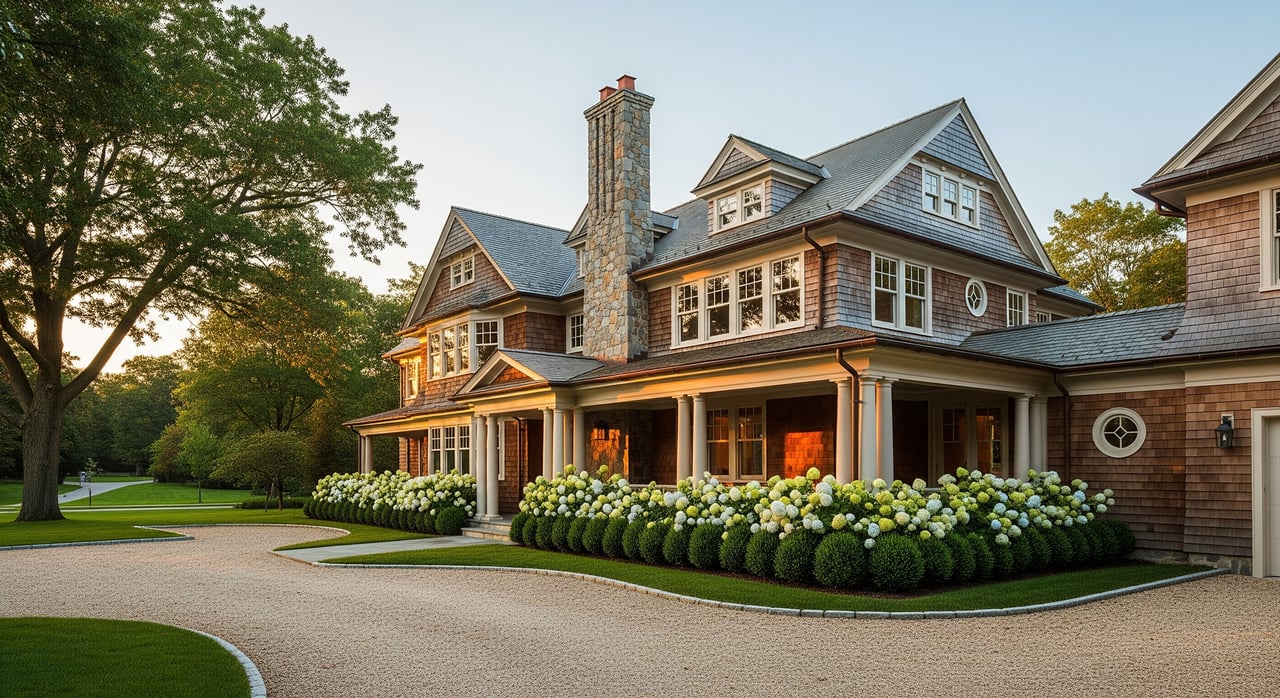
Love the look of weathered cedar, wide porches, and big harbor views? If you are drawn to Shingle‑style homes in Central Greenwich, you are not alone. These coastal classics mix relaxed elegance with smart design that responds to water, wind, and light. In this guide, you will learn how to spot a true Shingle‑style house, what to check during a tour, how coastal conditions affect upkeep, and which local rules and maps to review before you buy. Let’s dive in.
Shingle style basics
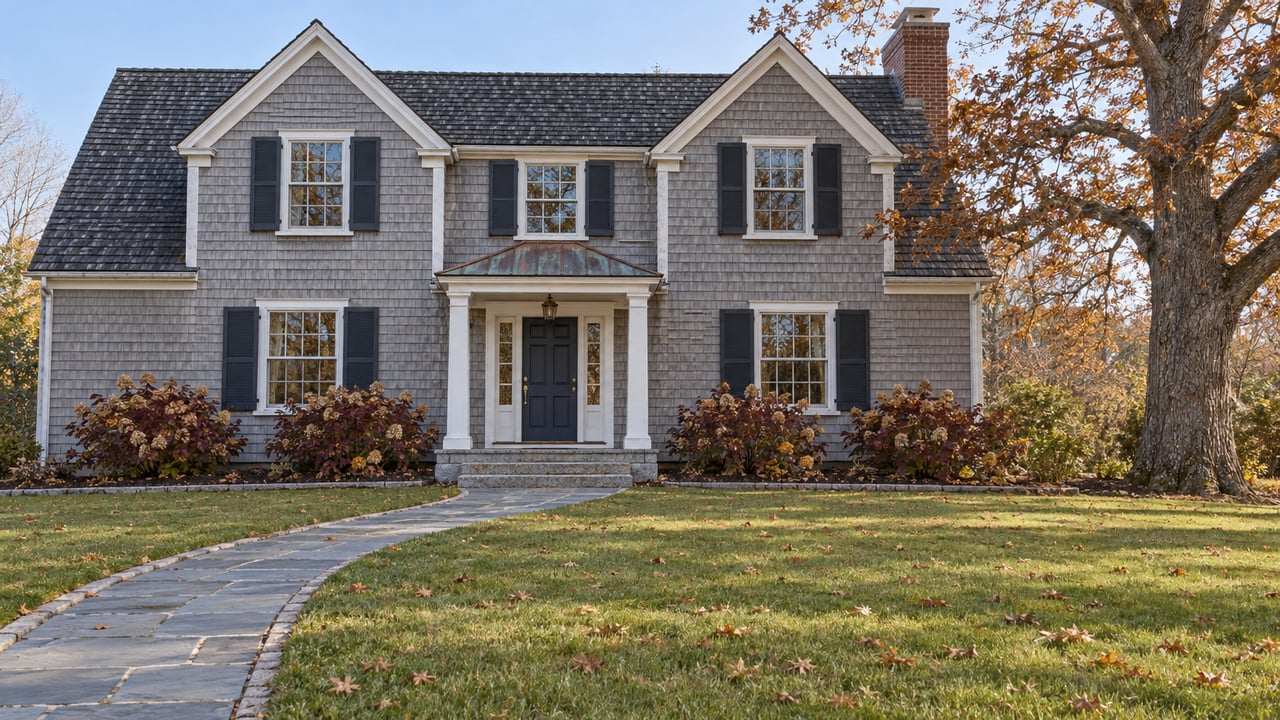
Shingle‑style architecture grew in New England in the late 1800s and is known for its informal, coastal spirit. Instead of heavy ornament, you will see simple massing and continuous shingle cladding that wraps walls and roof forms into one unified look.
Key features to recognize:
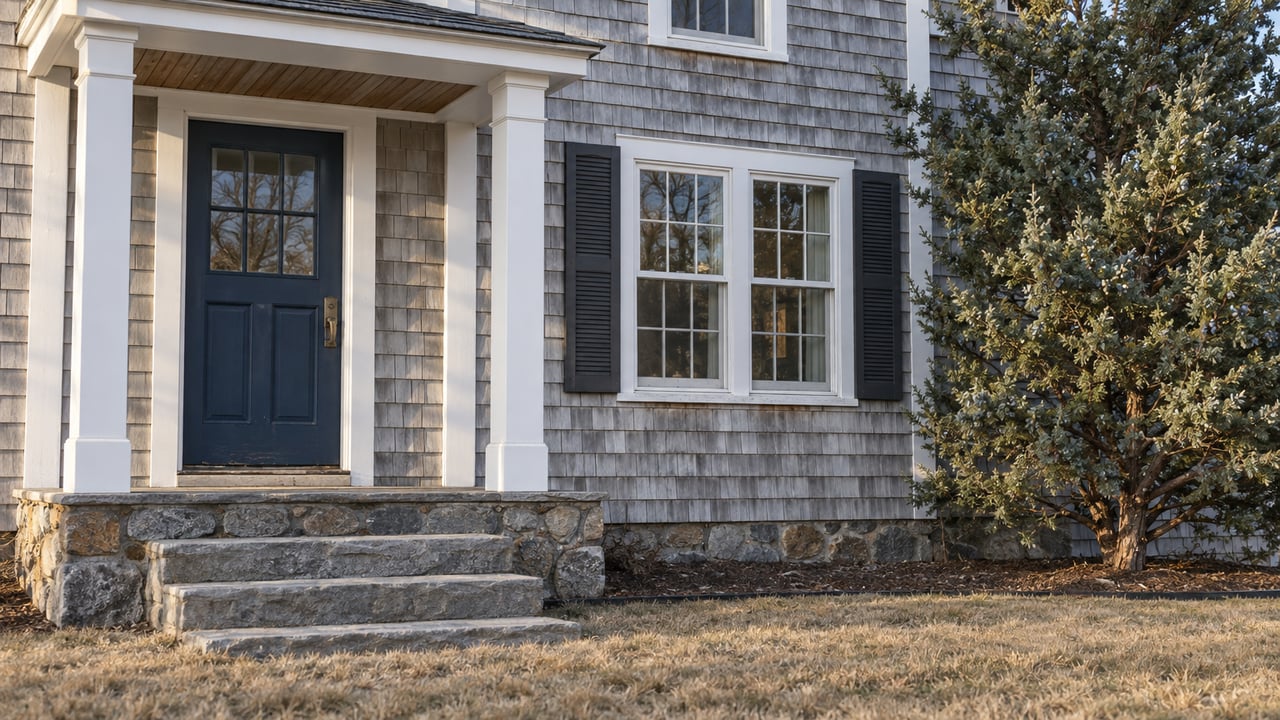
- Continuous cedar shingles that unify irregular shapes
- Asymmetrical rooflines with gambrels, cross gables, and complex dormers
- Broad porches and verandas that capture breezes and views
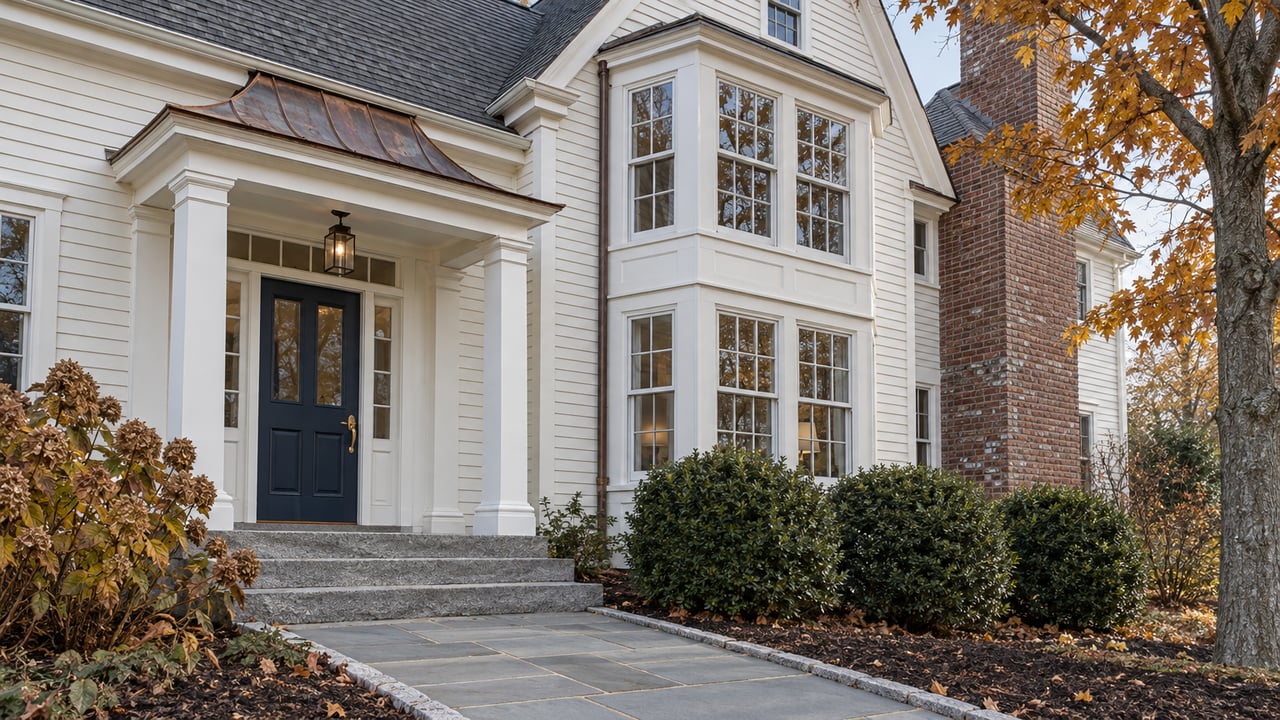
- Grouped or bay windows set for light and outlooks, with entries often tucked into porches
- Interiors that may feature exposed beams, built‑ins, and wood finishes
For a deeper architectural overview, explore the Society of Architectural Historians’ resource on the style at the SAH Archipedia.
Central Greenwich setting
In Central Greenwich near Greenwich Harbor, many Shingle‑style homes are sited to face water and capture light. Porches, terraces, and window groups often orient toward views and prevailing breezes. Landscaping tends to favor salt‑tolerant plantings and careful drainage.
Before planning exterior changes, check local rules. The Town of Greenwich has Planning, Zoning, and Historic District oversight that may guide materials, additions, and visible alterations. Start with the town’s official portal for contacts and processes on the Town of Greenwich website.
Coastal position also means flood awareness. Properties near the harbor may fall within FEMA‑mapped flood zones. Review the FEMA Flood Map Service Center to confirm zone and base flood elevation, and to gather any elevation certificates for the property. You can also visualize longer‑term coastal scenarios using the NOAA Sea Level Rise Viewer. For Connecticut‑specific coastal guidance and permitting context, consult the Connecticut DEEP resources.
- Use the FEMA Flood Map Service Center to check the current flood panel for the address.
- Use the NOAA Sea Level Rise Viewer to understand potential future inundation.
Coastal materials and upkeep
Cedar shingles are popular on the coast for good reasons. Cedar has natural resistance to decay and remains stable as it weathers to a silver‑gray patina. But salt air is tough on metals and finishes, so you will want to budget for regular checks.
What to know:
- Cedar performance. The continuous shingle field sheds water well, but details at joints and flashing are what keep water out long term.
- Salt exposure. Salt does not rot wood by itself. It does speed corrosion on nails, flashings, and exterior hardware, and can reduce coating life.
- Fasteners and flashings. Stainless steel or hot‑dip galvanized fasteners and durable flashings are a must in this zone. Look closely at chimneys, valleys, and porch connections.
- Finishes. If you want to keep a rich wood tone, expect more frequent stain or sealer cycles than inland homes. If you prefer a natural gray weathering, you will still need periodic inspections.
- Porches. Decking, posts, and connections are exposed to splash and moisture. Ventilation and durable, rot‑resistant materials extend life. Check rafter tails and roof tie‑ins for hidden rot.
For detailed maintenance tips and product guidance, visit the Cedar Shake & Shingle Bureau.
Value signals during a tour
When you walk through a Shingle‑style home near Greenwich Harbor, use this quick scan to spot strengths and potential costs.
Exterior and roof:
- Shingle field. Look for consistent courses, limited cupping, and even weathering. Heavy patching or black staining can signal moisture issues.
- Roof integration. Check ridges, valleys, and flashing at dormers and chimneys. Interior ceiling stains or attic marks often point to leaks.
- Metal health. Rusted nails, failing gutters, or corroded flashing are near‑term expense items in salt air.
Porches and drainage:
- Structure. Inspect posts, ledger connections, and floor framing. Sagging or spalled posts are red flags.
- Site water. Look for proper grading away from the foundation, working downspouts, and no ponding near the house.
Windows and interiors:
- Sills and jambs. Probe for softness at lower corners and look for peeling paint.
- Moisture signs. Musty odors, efflorescence on masonry, or recent interior patching can indicate chronic moisture.
Flood and insurance:
- Elevation. Confirm flood zone and whether the home meets base flood elevation where required.
- History. Ask about prior flood claims, elevation certificates, and current flood insurance costs. Proximity to seawalls, bulkheads, or marsh edges can affect risk and premiums.
Inspections that matter
A strong due diligence plan protects your purchase and helps with pricing and negotiation. In coastal Greenwich, these are the high‑value steps:
- Home inspection with extra focus on roof, porches, and attic
- Roofing specialist to review shingle condition, fasteners, and flashing details
- Structural evaluation if porches or foundations show movement or rot
- Pest and wood‑destroying organism inspection
- Flood and elevation review using an Elevation Certificate and the FEMA Flood Map Service Center
- For major work, consult contractors experienced with Connecticut coastal homes
Authenticity vs. upgrades
Some Shingle‑style homes keep original cedar and windows. Others mix in modern products like fiber‑cement or composites to reduce upkeep. Both paths can work, but think about long‑term goals.
- If you value historic character, try to preserve visible elevations and details while upgrading less visible sides for durability.
- Coastal‑grade fasteners, improved flashing at complex rooflines, and better soffit ventilation deliver real performance without changing the look.
- Storm windows can protect original sashes and improve comfort.
For guidance on sensitive treatments that protect historic materials, review the National Park Service’s Preservation Briefs.
Step‑by‑step buyer checklist
Before a showing:
- Review the property’s FEMA flood map panel and note the zone.
- Check if the home sits in a local or National Register historic district on the Town of Greenwich site, and note permit needs for exterior work.
At or after a showing:
- Ask when exterior shingles and the roof were last replaced or treated. Confirm use of stainless or hot‑dip galvanized fasteners.
- Request records for any past leaks, rot repairs, porch structural work, or drainage improvements.
- Ask about flood events, insurance claims, and any Elevation Certificate.
- Inquire about nearby seawalls or shoreline stabilization and the condition of adjacent structures.
During due diligence:
- Order a home inspection and a roofing specialist review.
- Obtain the Elevation Certificate and confirm the FEMA map panel.
- Gather permits and as‑builts for exterior projects. Request contractor references.
- Collect photos and dates of past maintenance to estimate ongoing cadence.
Budgeting considerations:
- Expect higher exterior maintenance than inland masonry homes.
- Plan for periodic stain or recoat cycles if you want to keep color.
- Include coastal‑grade fasteners, flashings, and porch upkeep in near‑term budgets.
- Factor flood insurance and long‑term coastal resilience into total cost of ownership.
Living the style in Central Greenwich
The best Shingle‑style homes feel relaxed and connected to the water. Broad porches become outdoor rooms. Window bays frame changing harbor light. With the right inspections and a smart maintenance plan, you can enjoy that lifestyle with confidence.
When you are ready to tour or want a deeper read on a specific property’s condition, permits, and flood profile, connect with a local advisor who knows Central Greenwich and the harbor block by block. If you want listing access, off‑market insight, and help coordinating the right inspections, reach out to Noah Finz to start your search.
FAQs
What defines a Shingle‑style home in Greenwich?
- Look for continuous cedar shingles over walls and roof forms, asymmetrical gambrel or cross‑gabled rooflines, broad porches, and grouped windows that frame views. For a concise primer, see the SAH Archipedia.
How do I check flood risk near Greenwich Harbor?
- Confirm the FEMA flood zone and base flood elevation using the FEMA Flood Map Service Center. Ask for any Elevation Certificate during due diligence.
Are cedar shingles durable in salt air?
- Yes, cedar is naturally durable, but salt accelerates corrosion on nails and flashings and can shorten finish life. Follow coastal best practices from the Cedar Shake & Shingle Bureau.
What permits affect exterior changes in Central Greenwich?
- Exterior work may be subject to Planning, Zoning, and Historic District review. Begin with permit guidance and contacts on the Town of Greenwich website.
Which upgrades add value without losing character?
- Use stainless or hot‑dip galvanized fasteners, upgrade flashings, improve attic ventilation, protect original windows with storms, and strengthen porch foundations. See the NPS Preservation Briefs for best practices.