"Dinosaurs are icons of extinction, but they are only one of many groups that evolved, flourished and died out." as reported by Greenwich Free Press.
That's Daniel Ksepka, curator of science at the Bruce Museum, talking about a T. rex that's been drawing crowds to Bruce Park all summer. He's not wrong. The skeleton alone is worth the trip, roughly the length of a city bus, paired with a Torosaurus in a gallery built around the asteroid impact that ended the Cretaceous. The exhibition also includes a case of Connecticut fossils that brings the story closer to home.
"Six Extinctions" is closing this week. It opened June 6 as the North American debut of a traveling exhibition from Australia's Gondwana Studios, and it shuts down for good this Sunday, September 6. There are no free Tuesdays left before the show closes. That's the practical news. There is also a local detail worth noticing alongside the T. rex.
What the Show Is Actually Built Around
Living Greenwich's photo tour describes the exhibition as moving through half a billion years of extinction events, organized as five distinct rooms, each with its own color palette and its own species that vanished. Walk in and the first thing you meet is an oversized nautiloid model jutting off the wall for the Ordovician extinction. From there the show works forward through darkened galleries toward the Cretaceous room, where the T. rex and Torosaurus anchor the section built around the asteroid strike that ended the age of dinosaurs.
The last room is the one that changes the tone. It covers the sixth extinction, the one happening now, driven by habitat loss and climate change rather than an asteroid or a volcano. Life-like models of the Thylacine, the Tasmanian tiger hunted to extinction in the twentieth century, and the Great Auk, wiped out by humans within the last two hundred years, sit in that final gallery. The show closes with a short film, "How to Save Our Planet," narrated by Sir David Attenborough. Museum CEO Mary-Kate O'Hare has described the exhibition as one built to help visitors understand not just Earth's past but the choices shaping its future.
It's an ambitious build for a museum this size, and Bruce Museum earned bragging rights by landing it first, ahead of every other stop on the show's North American tour. The exhibition's North American debut is one part of its story; the local fossil case offers another perspective.
A Local Fossil Case in the Exhibition
Tucked into that same exhibition, separate from the imported specimens and murals, is a small display the Bruce built from its own permanent collection: a case of Connecticut fossils from the Early Jurassic period, roughly 200 million years old. The label connects this local ground to a wider geological story: this stretch of Connecticut sat near the epicenter of the Triassic extinction, the event immediately before the one that produced the dinosaurs in the room next door. The case holds fish fossils and a dinosaur footprint pulled from local ground.
The local case offers a quieter perspective within the exhibition, and it's the one part of the show that isn't on loan from Australia. The traveling exhibition pairs immersive lighting and dramatic murals with a small vitrine of local rock. If you've already been once this summer for the big skeleton, the case is a reason to go back before Sunday.
Why This Week Specifically
A traveling exhibition, by definition, doesn't come back. Once "Six Extinctions" closes here on September 6, it moves to its next stop on the tour, and the particular pairing on view right now, a T. rex from across the world sitting a few rooms away from a fossil pulled out of Fairfield County dirt, won't be recreated locally again. The museum sits in Bruce Park, an easy walk from the shops and restaurants on Greenwich Avenue, which makes this a genuine end-of-summer errand rather than a special trip. Fold it into a Labor Day weekend walk before the show comes down for good.
A few practical details for anyone timing that visit:
- Hours run Tuesday through Sunday, 10 a.m. to 5 p.m., with last admission at 4:30 p.m.
- General admission is pay-what-you-wish, suggested at $20 for adults, $15 for seniors and students, and free for children under 5.
- Tuesdays are free for all visitors; September 1 was the last one before the show closes.
- The exhibit closes permanently on Sunday, September 6.
If you've got an afternoon open this week, that's the visit to make. If not, the regular admission price is a small cost against a display you won't see assembled this way again.
The Part Worth Remembering
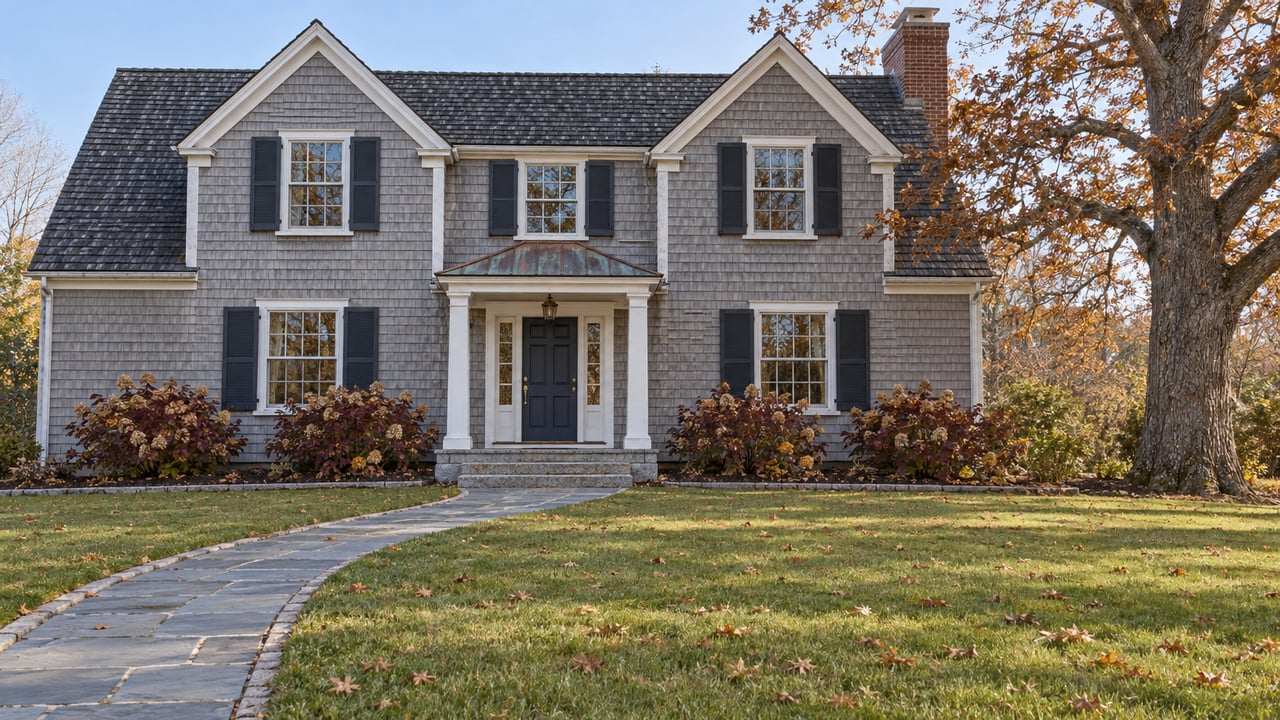
Central Greenwich's identity has always leaned on the idea that this is old, settled ground, shingle-style houses built to weather the salt air off the Sound, a downtown historic district anchored around the Municipal Center. The Bruce Museum's own fossil case makes that history considerably older than anyone walking the Avenue tends to picture. Two hundred million years before there was a Greenwich Municipal Center Historic District, this same patch of Connecticut was recording one of the planet's great extinction events in its rock. The imported T. rex is the reason people show up. The local fish fossils and that single dinosaur footprint are the reason the trip is worth making twice before Sunday.
If you're the kind of Central Greenwich resident who already treats the museum as a familiar stop rather than a tourist errand, this is your last chance this year to see the exhibition before it moves on, including its local fossil case. Check hours and admission details directly on the Bruce Museum's website before you go, since the final weekend tends to draw a crowd.
For everything else happening around Central Greenwich this fall, from what's opening on the Avenue to how the neighborhood is actually living day to day, Noah Finz keeps a closer eye on this town than most people who don't live here full time. Let's Connect if you're thinking ahead to a move in this market, or just want a local's read on what's changing block by block.