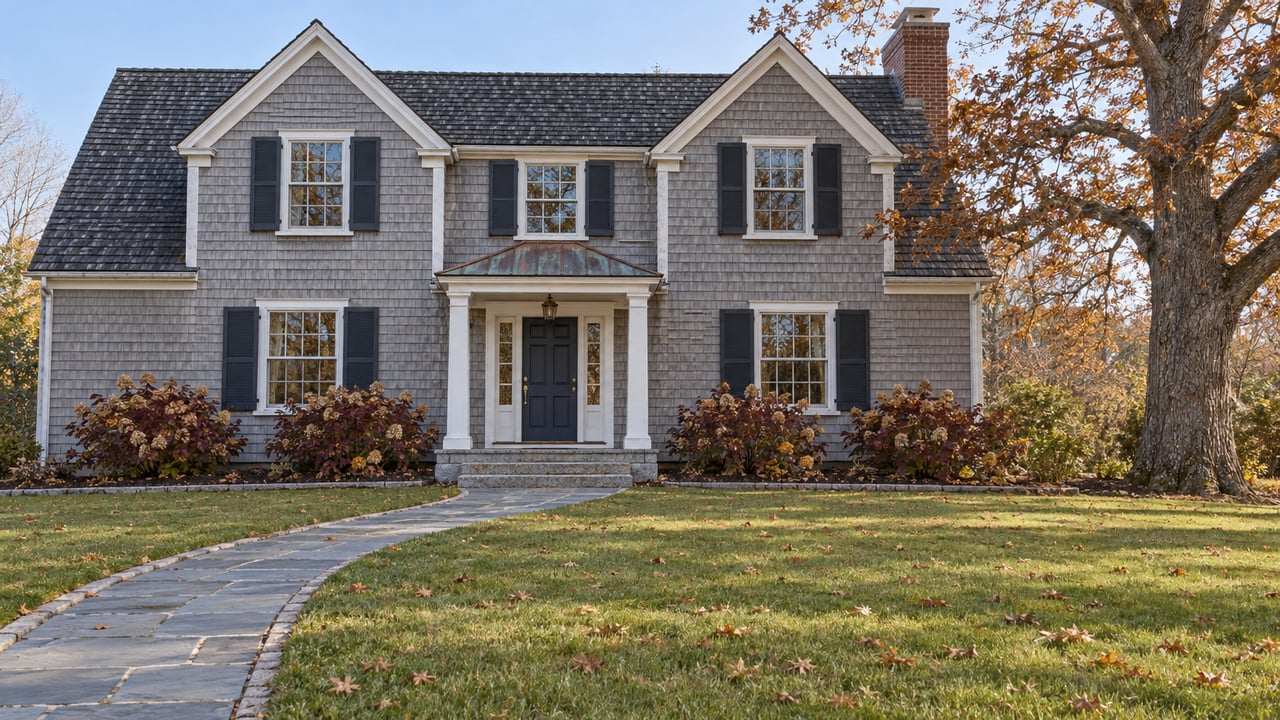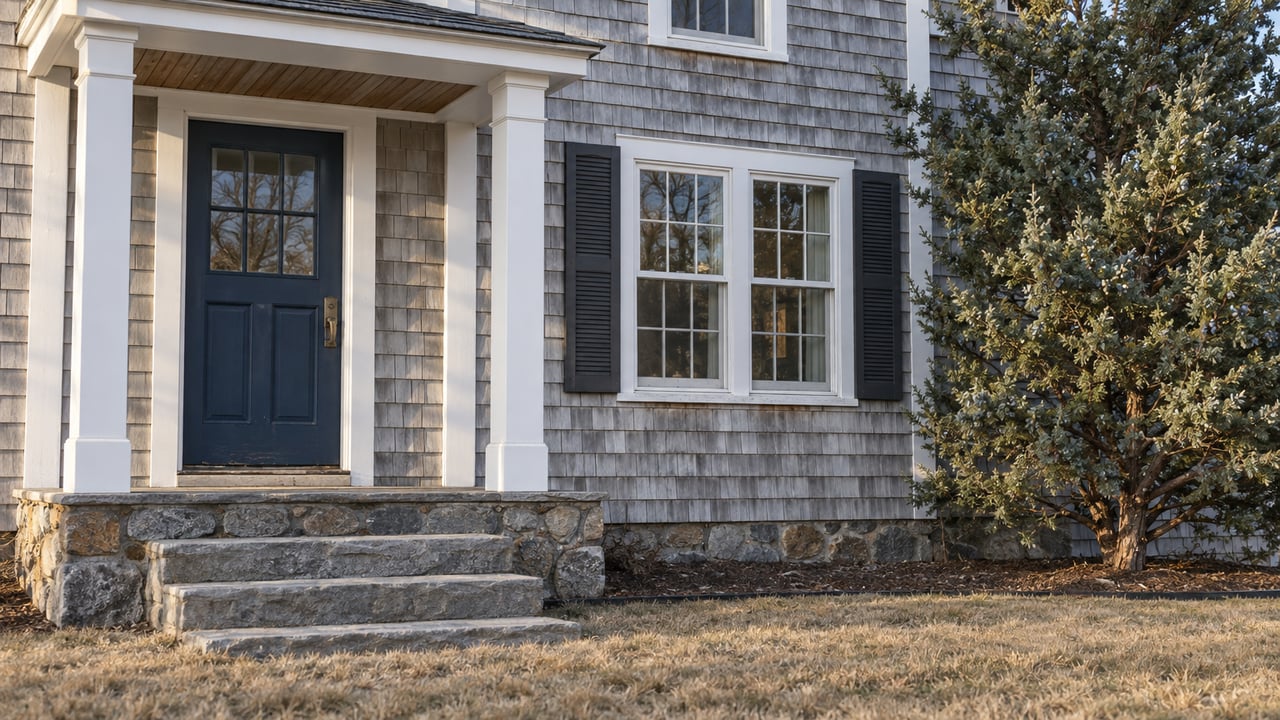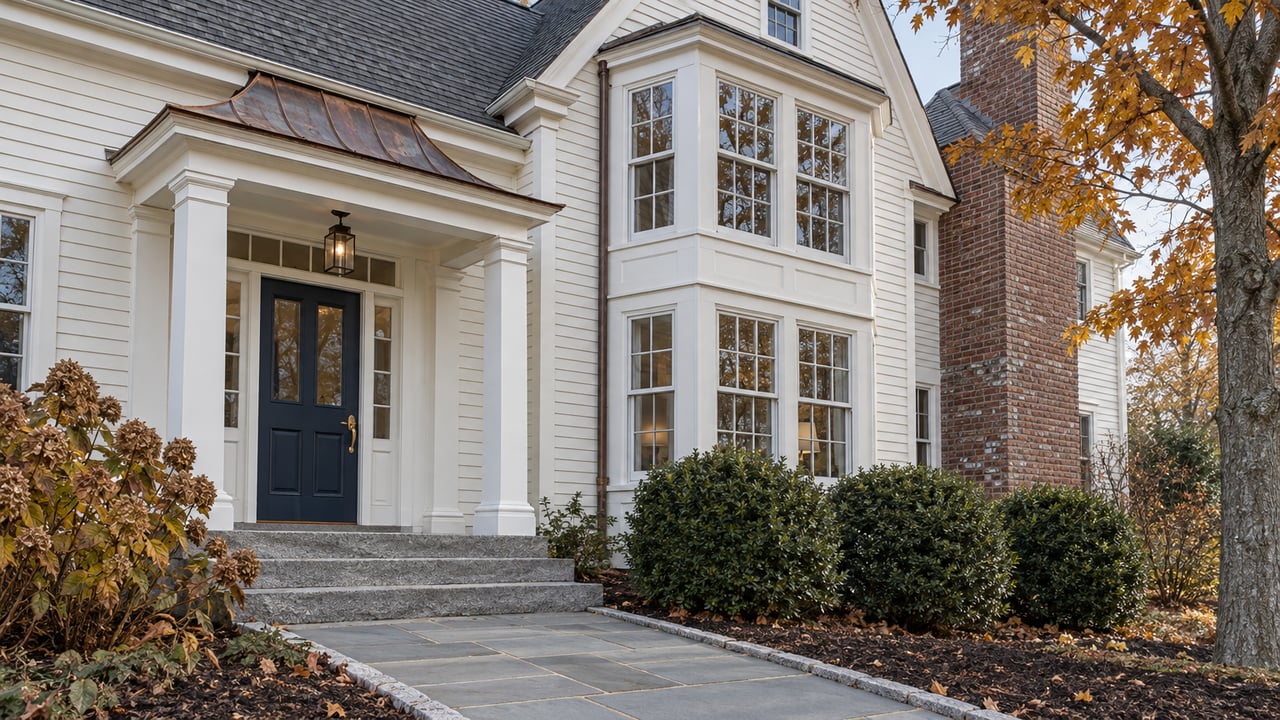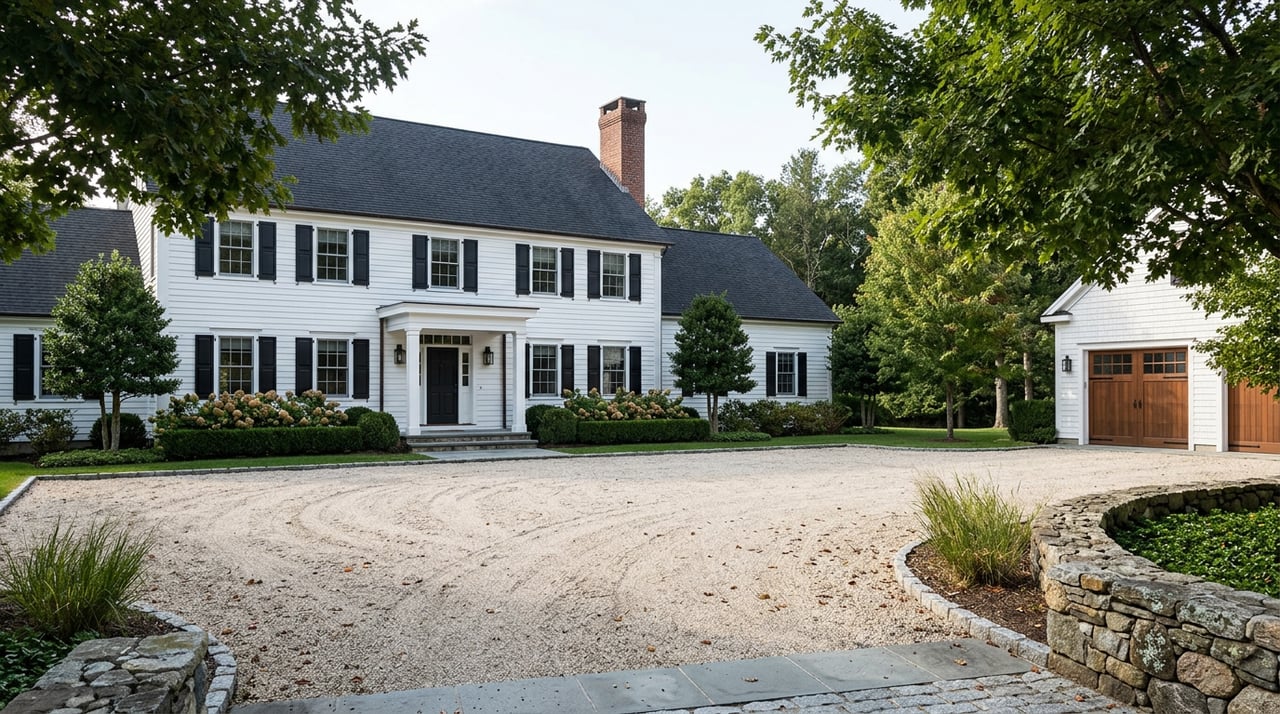
If you picture a long stone driveway, tall trees, and a home tucked into quiet, open land, you are already imagining Back Country Greenwich. Many buyers look north of the Merritt Parkway to trade walkability for privacy, acreage, and room to create a true estate. In this guide, you will learn what “Back Country” means in Greenwich, how zoning shapes what you can build, what day-to-day life looks like, and the key checks to make before you buy. Let’s dive in.
What Back Country means
Back Country is the local term for Greenwich’s lower-density, estate area generally north of the Merritt Parkway and toward the New York state line. It is not a single official zone, but a distinct landscape of larger lots, wooded roads, and preserved open space.
Location at a glance
Back Country sits above the Merritt, stretching across Greenwich’s northern tier. You will see longer distances between homes, more natural buffers, and fewer commercial conveniences. Many parcels back up to preserves or land trust holdings, which adds quiet and a sense of space.
Look and feel
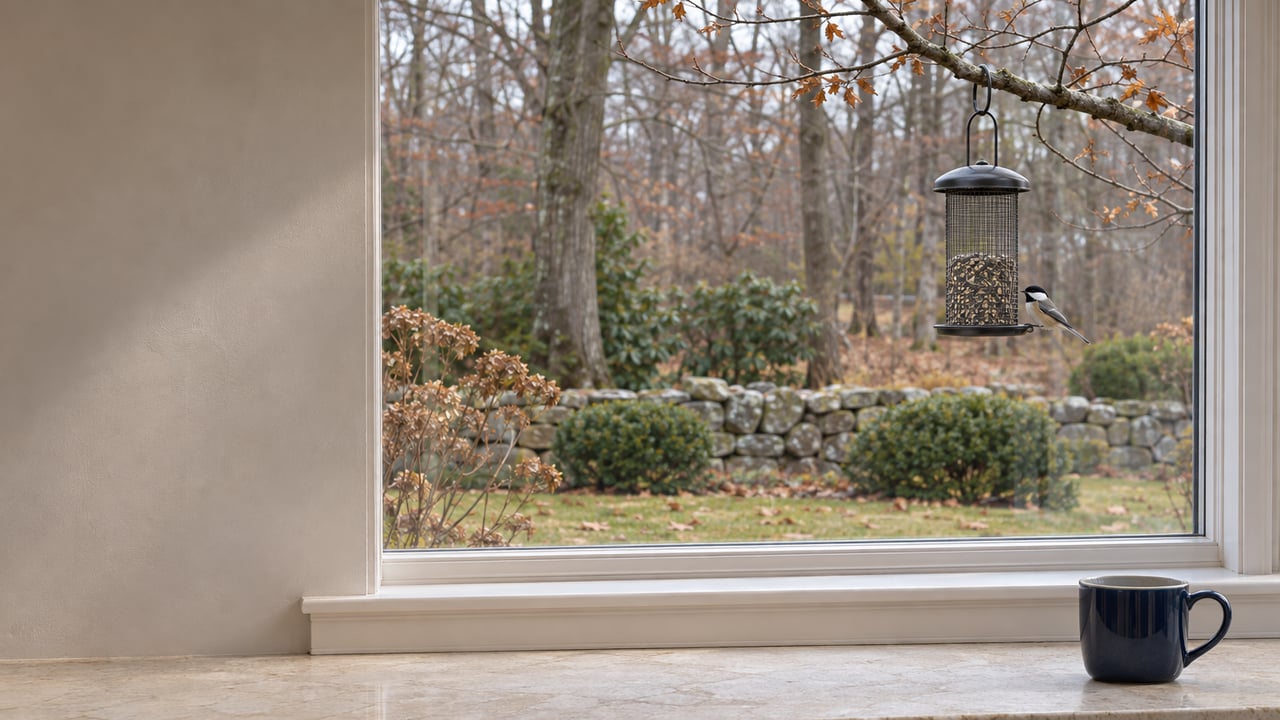
Expect rolling hills, old stone walls, and a mature tree canopy. Historic estates mix with newer builds on multi-acre parcels. Many properties include long private drives and gated entries. The result is a calm, rural feel within a short drive of downtown Greenwich and the train.
Zoning shapes acreage
Zoning is what creates the Back Country pattern. Greenwich uses large-lot residential districts in its northern areas to keep density low and preserve an estate character.
RA zones explained
Greenwich’s large-lot zones include:
- RA-4: minimum lot area of 4 acres.
- RA-2: minimum lot area of 2 acres.
- RA-1: minimum lot area of 1 acre.
Closer to town, smaller-lot districts appear, such as R-20 (20,000 square feet) and R-12 (12,000 square feet). Always confirm a specific address on the Town’s official Zoning Map and check the Building Zone Regulations to see the exact rules that apply.
What you can build
Large-lot districts also limit floor area and building coverage more tightly than in-town zones. That is by design to keep the area low density. If you plan an accessory dwelling unit, the regulations set maximum sizes by zone and outline permit steps. Review the current ADU standards and application process before you sketch plans.
Horses and animal rules
Greenwich permits horses on residential parcels but ties animal counts and conditions to lot size and site specifics. Barns, indoor arenas, and any commercial equestrian activity can trigger site plan review or a special permit. If horses are central to your vision, speak with Planning and Zoning early to understand setbacks, shelter requirements, and manure management standards for your site.
Lifestyle and amenities
Acreage living offers room for amenities you may not find in tighter neighborhoods. The mix of private recreation, open space, and equestrian culture defines daily life in the backcountry.
Estate features you will see
Many properties include:
- Long driveways, gates, and motor courts
- Pools and pool houses
- Tennis or sport courts
- Formal gardens and expansive lawns
- Guest cottages or staff quarters where permitted
- Barns, paddocks, and riding areas for equestrian use
Historic estates and planned residential parks created today’s lot patterns. Some enclaves consist of large parcels divided into estate lots that keep a consistent, green streetscape.
Trails and preserves nearby
Back Country is buffered by substantial open space, including town preserves and land trust holdings. Trail systems like Babcock Preserve offer public hiking and nature access close to home. These green areas enhance privacy and support an outdoors-focused lifestyle.
Equestrian and polo scene
Greenwich has active equestrian roots. The Greenwich Polo Club and private riding fields sit in the backcountry landscape. If you plan to keep horses, account for fencing, trailer access, turnout areas, and ongoing pasture and manure management. Many owners build or update barns as part of a broader estate plan.
Daily life and commuting
Even with a rural feel, you can reach shops, schools, parks, and the Metro-North line within a practical drive.
Getting to New York City
The New Haven Line serves Greenwich with express and local trains to Grand Central Terminal. Planning analysis shows fastest scheduled trips from Greenwich at about 42 minutes, with longer runs around an hour or slightly more, and a median near 49 minutes. Always check current timetables and station parking options as you plan your routine.
Services, roads, and access
Many estate driveways and some roads are private. Maintenance, snow plowing, and patching often fall to owners or a road association. Confirm recorded easements, shared-drive agreements, and any association budgets during due diligence. Also verify driveway width and turnouts for fire department access.
Key due diligence steps
Acreage brings a few extra steps. Use this checklist to reduce surprises.
- Zoning and use rights
- Confirm the official zone on the Town Zoning Map and review the Building Zone Regulations for lot size, setbacks, floor area limits, ADU rules, and animal standards.
- Water and sewer
- Determine if the property is on town water and sewer or a private well and septic. Order a well-yield and water-quality test and arrange a full septic inspection with percolation records. Check with the Town’s Health or Environmental departments for standards.
- Private roads and driveways
- Review deeds and recorded easements. Ask for any private-road agreements, cost-sharing terms, and snow plans. Verify fire access requirements with the Town or fire department.
- Accessory structures and barns
- Ask Planning and Zoning if your planned barn, arena, guest cottage, or large paddock triggers site plan review or a special permit. Confirm setbacks and coverage before you design.
- Environment and wetlands
- Walk the land for wetlands, steep slopes, and rock outcrops. Many northern parcels sit within watersheds or adjoin preserved land. Check for any conservation easements that limit building pads, driveway routes, or paddock placement.
- Commuting and logistics
- Map out your route to Metro-North, schools, and shopping. Confirm station parking, pick-up routines, and peak vs off-peak train times.
- Taxes and insurance
- Ask the Assessor for recent tax bills and the current mill rate. Get insurance quotes that consider tree coverage, outbuildings, and any flood or storm exposure.
- Seasonal checks
- Visit in wet weather and during leaf-off to observe drainage, road conditions, and solar exposure.
Costs to plan for
Back Country ownership budgets vary with lot size and amenities. Expect line items that differ from a typical in-town property.
- Grounds and tree care: Estate lawns, gardens, and specimen trees require regular maintenance and periodic arborist work.
- Driveway and snow: Long drives need plowing, sanding, and occasional resurfacing. Private roads may also require shared upkeep.
- Water and septic: Private systems add routine testing and pumping, plus long-term replacement planning.
- Pools, courts, and barns: Plan for service contracts, utilities, and staffing or management where needed.
- Insurance: Larger dwellings, outbuildings, and wooded acreage can change coverage needs and premiums. Obtain quotes early.
Market context
Demand for larger lots in Greenwich has seen periods of strength, including increased interest north of the Merritt Parkway since 2020 as buyers sought more space. Prices in Greenwich sit well above statewide medians and vary widely by location, lot size, and home condition. Use current local market data for comps and trends as you plan your offer and improvement budget.
Choosing the right fit
Back Country is about privacy, land, and lifestyle. You gain space for amenities and a closer connection to nature. You trade some walkability and daily convenience. If you value quiet, design flexibility, and room to build, the northern part of Greenwich can be a powerful fit.
A thoughtful search starts with zoning and site specifics, then layers in logistics and long-term maintenance planning. You want an advisor who can read a survey, interpret the Building Zone Regulations, and tell the story of a property’s potential. If you are exploring acreage in Greenwich, reach out to Noah Finz to discuss your goals, due diligence steps, and how creative marketing can showcase your estate when it is time to sell. Let’s connect.
FAQs
What is “Back Country” in Greenwich?
- Back Country refers to the lower-density, estate area generally north of the Merritt Parkway with larger lots, more open space, and a rural feel compared with in-town neighborhoods.
Where can I confirm zoning for a specific parcel?
- Check the Town’s official Zoning Map and Building Zone Regulations to verify the district, minimum lot size, setbacks, and any overlay or special-permit requirements.
Can I keep horses on a Back Country property?
- Yes, horses are permitted under the Building Zone Regulations, with the number and conditions tied to lot size and site standards. Larger barns or arenas may require site plan review or a special permit.
Will my property have town water and sewer in Back Country?
- Many parcels rely on private wells and septic systems, although service varies by street. Confirm utilities with the Town, order well and water tests, and schedule a full septic inspection.
How long is the train commute from Greenwich to NYC?
- Planning analysis shows fastest scheduled trips from Greenwich to Grand Central around 42 minutes, with some runs about an hour or slightly more. Always check current timetables and parking.
Who maintains private roads and long driveways?
- Owners or road associations typically handle plowing, sanding, and repairs on private roads and drives. Review recorded easements and any road agreements during due diligence.
What extra costs should I plan for with acreage?
- Budget for grounds and tree care, driveway and snow services, pool or court maintenance, barn operations, private well and septic upkeep, and potentially higher insurance coverage.